
If you’re deciding whether to hire a professional voiceover artist, you’re probably weighing a few things: cost, quality, turnaround time, and whether a human voice is really necessary for your project.

With AI voice tools becoming more accessible, it’s a fair question.
Technology has opened up new possibilities for creating audio. But when your project needs personality, thoughtful script interpretation, emotional range, or a voice that fits your brand, there’s more to consider than simply turning words into speech.
A professional voiceover artist brings performance, experience, and collaboration to the process. From commercials and corporate videos to medical narration, eLearning, and character work, the right voice can help your message reach people in a way that feels natural and engaging.
So, when is hiring a professional voiceover artist worth it? Here are six reasons to consider.
1. Professional Audio That Represents Your Brand
Your audience may not know which microphone was used or how a recording was edited, but they’ll notice when something sounds distracting.
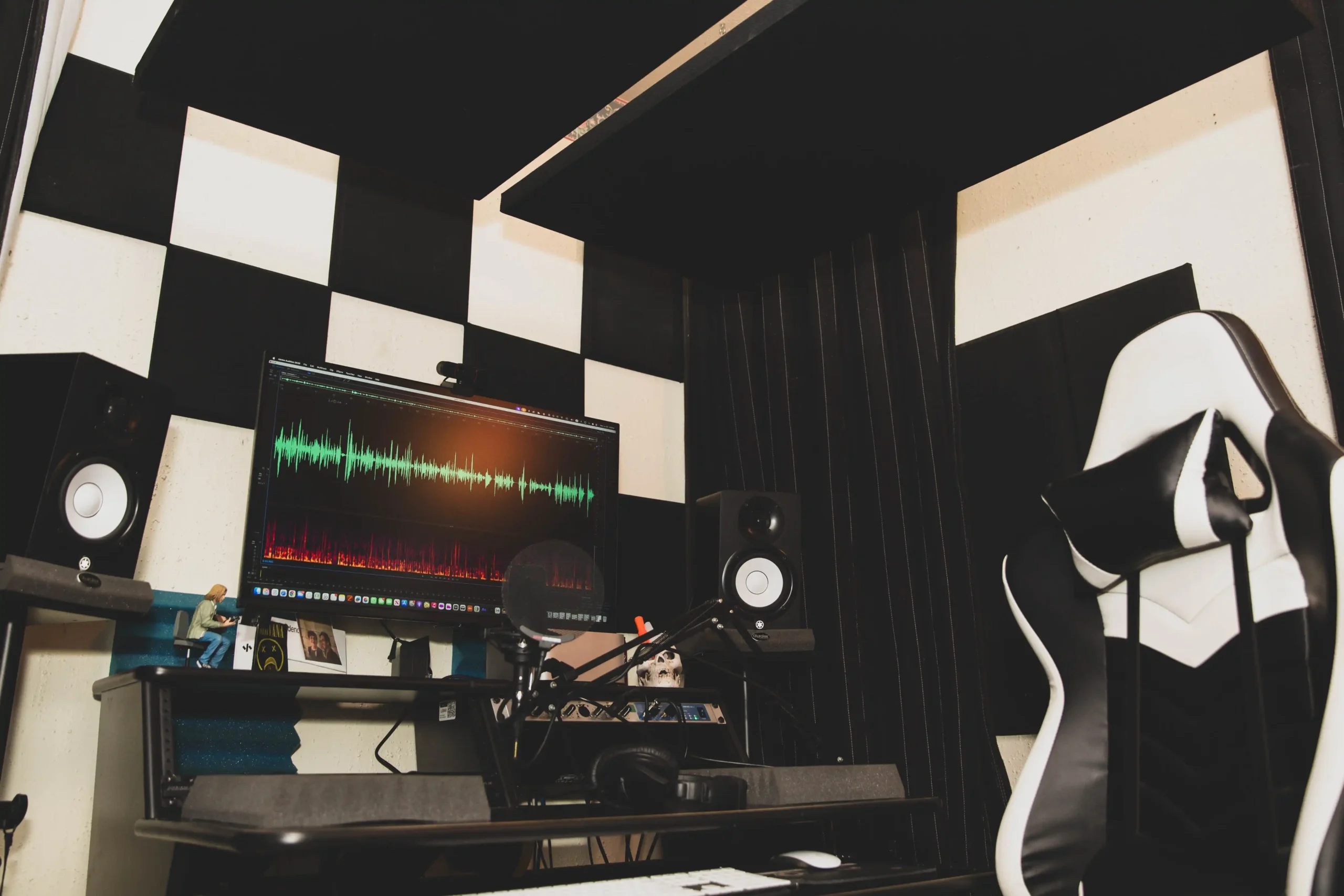
Background noise, room echo, inconsistent volume, and poor editing can pull attention away from your message. Professional voiceover combines a suitable recording environment, quality equipment, and careful audio editing to deliver a clean, consistent result.
A professional voice actor can provide:
- High-quality recordings from a properly treated studio
- Consistent audio levels and clean editing
- File formats and specifications suited to your project
- Additional takes and revisions as agreed upon
The goal isn’t simply to make your audio sound polished. It’s to make sure your audience can focus on what you’re saying.
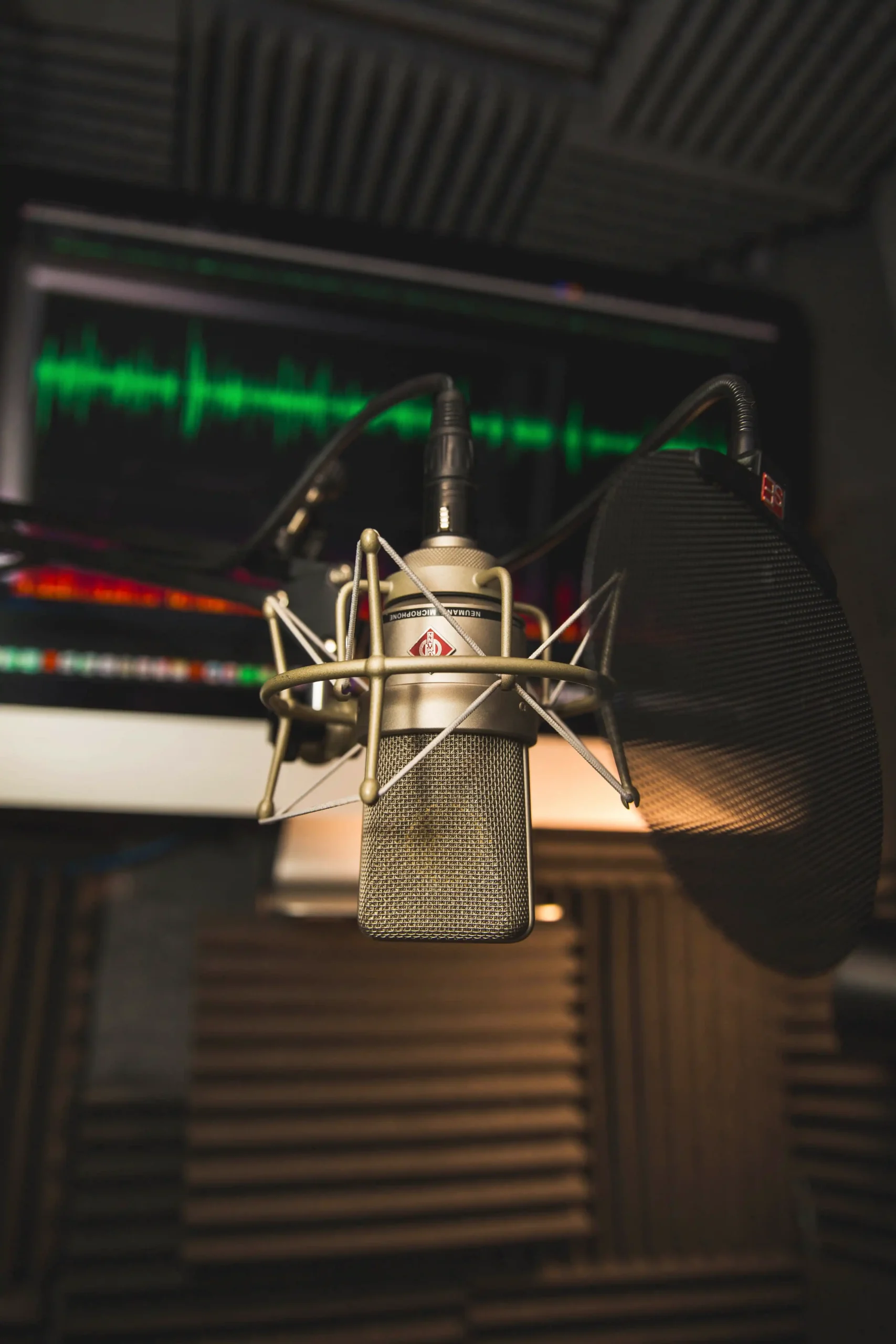
In my own voiceover studio, I use a Neumann TLM 103 microphone and a WhisperRoom booth to create professional recordings for clients. I also handle recording and editing, with additional production needs discussed depending on the project.
When you hire a professional voiceover artist, you’re investing in more than a voice. You’re investing in the quality of the finished recording and how your brand presents itself.
2. Natural Delivery and Genuine Human Connection
Have you ever watched a commercial or training video and found yourself tuning out because the narration felt flat, rushed, or disconnected from the message? The words might be perfectly okay, but the delivery just isn’t working…
Voiceover is a performance, and a professional voice actor considers the audience, the purpose of the script, the intended emotion, and the relationship between the words and the person listening.
Sometimes a script needs warmth and reassurance. Other times it needs energy, authority, humor, or a conversational tone that feels like someone speaking directly to you. The difference can be teeny-tiny, but it is always necessary to have these key points in the delivery!
For example, a medical narration might need to communicate complicated information in a calm, approachable way. A corporate video might need confidence without sounding stiff. An animated character might need an entirely different personality from one line to the next.
A professional voiceover artist makes intentional choices about pacing, emphasis, inflection, and tone to support the message, and those choices aren’t always obvious from the script alone. Sometimes the best performance comes from understanding what’s behind the words beind said!
3. Performance That Adapts to Your Project
Not every project needs the same voice, and not every script should sound the same. A commercial designed to grab attention in 30 seconds has different needs from a 45-minute eLearning course. A healthcare explainer needs a different approach from an audiobook, video game character, or animated series.
An experienced voice actor adapts to the material rather than delivering every script in the same familiar style. Here are a few examples:
- Commercial voiceover: A relatable, engaging delivery that connects with the intended audience and supports the brand’s personality.
- Corporate narration: A confident, natural performance that communicates information without sounding overly formal.
- Medical and healthcare narration: A measured, approachable delivery that helps make complex information easier to follow.
- eLearning voiceover: Consistent pacing and clear articulation that help learners stay engaged with the material.
- Character voiceover: Distinct personalities, vocal choices, and emotional reactions that bring fictional characters to life.
- Audiobook narration: A performance that supports the story, maintains listener interest, and helps distinguish characters when appropriate.
These are different performance skills, not simply different settings on a microphone. A professional voiceover artist also knows how to take direction. If a client asks for a little more energy, a softer approach, a quicker pace, or a different interpretation of a line, the performer can make adjustments to suit the project.
That collaboration helps turn a script into a finished performance that fits your creative vision.
4. A Reliable Partner Who Understands Production
Recording a voiceover is only one part of the process. Getting the right performance, meeting deadlines, following technical specifications, and communicating with the production team are just as important.
However, when you hire a professional voiceover artist, you want someone who understands that your recording is part of a larger project.
Perhaps your editor needs individual files for each section of an eLearning course. Maybe your agency needs several versions of a commercial. Or perhaps a producer needs specific file formats, naming conventions, pickup lines, or a remotely directed session.
An experienced voice actor understands the importance of following instructions, organizing files, communicating about revisions, and delivering work that fits the production workflow.
For clients who need to direct a session remotely, my studio is Source-Connect certified, allowing me to work with production teams remotely when the project calls for it.
I also take care to label and organize recordings so clients can work with the delivered files without unnecessary guesswork. Of course, every project is different. It’s always worth discussing your delivery requirements, deadlines, session arrangements, and revision expectations before recording begins.
The right professional voiceover partner doesn’t just show up and read. They help make the production process easier.
5. A Human Alternative to AI-Generated Voiceover
AI voice technology has developed quickly, and it has a place in conversations about the future of audio production. Depending on the project, an AI-generated voice may be a practical option for internal drafts, temporary narration, or certain applications where automated speech meets the requirements.
But choosing a voiceover solution isn’t only about whether the words can be spoken aloud. It’s also about performance, creative direction, audience expectations, and how the finished project represents your brand.
A professional voice actor brings an individual interpretation to a script. They can explore different approaches, respond to feedback, adjust the delivery, and work with a director or creative team to find the performance that best serves the project.
A human performance can also bring nuance to humor, uncertainty, reassurance, surprise, and other moments where context influences how a line should be delivered.
AI tools may be able to simulate some of these qualities, but the result and suitability will depend on the technology and the project’s needs.
There is another consideration, too: consent. If a project uses synthetic voices or voice cloning, clients and performers should understand how the voice is created, what permissions apply, and how the resulting audio may be used. A voice actor’s participation in a recording should not automatically be treated as permission to clone their voice or use it to train an AI model.
For me, voiceover is a creative profession built around performance, interpretation, and collaboration. I support conversations about creative technology, but I do not consent to my voice being cloned or used to train AI models.
If you’re deciding between AI-generated narration and hiring a professional voiceover artist, consider your budget, intended use, audience, performance requirements, and the importance of having a human performer involved. You can also learn more about voice actor AI consent and contract resources on NAVA’s Website.
The best choice is the one that genuinely serves your project while respecting the people and creative work involved.
6. An Investment in the Finished Experience
Of course, budget matters, and every production has constraints. So the goal is to always make thoughtful decisions about where your money goes. But the cheapest voiceover option isn’t necessarily the most cost-effective one…
Consider the full production process. If a recording doesn’t meet your technical requirements, the delivery needs significant correction, or the performance doesn’t fit the project, additional time may be needed to address those problems.
Hiring a professional voiceover artist can help reduce avoidable production issues by establishing expectations, following direction, and delivering recordings suited to the brief.
The value also extends to the audience’s experience! A well-performed voiceover can make information easier to follow, help a brand feel more approachable, support a story’s emotional impact, or keep learners engaged with educational material. That doesn’t mean every project requires the most expensive talent available. It means choosing a voice that fits the project, the audience, and the intended result.
When comparing voiceover quotes, look beyond the initial price. Ask what’s included, whether editing is provided, how revisions are handled, what usage rights apply, and whether live direction or additional versions will cost extra. Understanding those details makes it easier to compare options fairly and choose the right fit for your budget.
How to Choose the Right Professional Voiceover Artist
Once you’ve decided to hire a professional voiceover artist, the next step is finding someone whose voice and working style suit your project.
Here are a few things to consider:
- Listen to relevant demos. Look for examples that match your project’s style, whether that’s commercial, corporate, medical, eLearning, narration, or character work.
- Consider the audience. Think about how you want listeners to feel and what they need to understand. A voice that works beautifully for one audience may not be the right fit for another.
- Discuss the project requirements. Share the script, intended use, approximate word count or runtime, deadline, technical specifications, and any creative references you have.
- Ask about the recording setup. If your production has specific audio requirements, confirm that the voice actor can meet them.
- Clarify pricing and usage. Understand the scope of the quote, applicable usage rights, revisions, editing, and any additional session requirements before work begins.
- Pay attention to communication. A good working relationship makes a difference, especially when you’re collaborating on a larger production.
You don’t need to have every creative decision figured out before reaching out. A professional voice actor can help you discuss the options and determine what makes sense for your project.
Looking for a Professional Voiceover Artist?
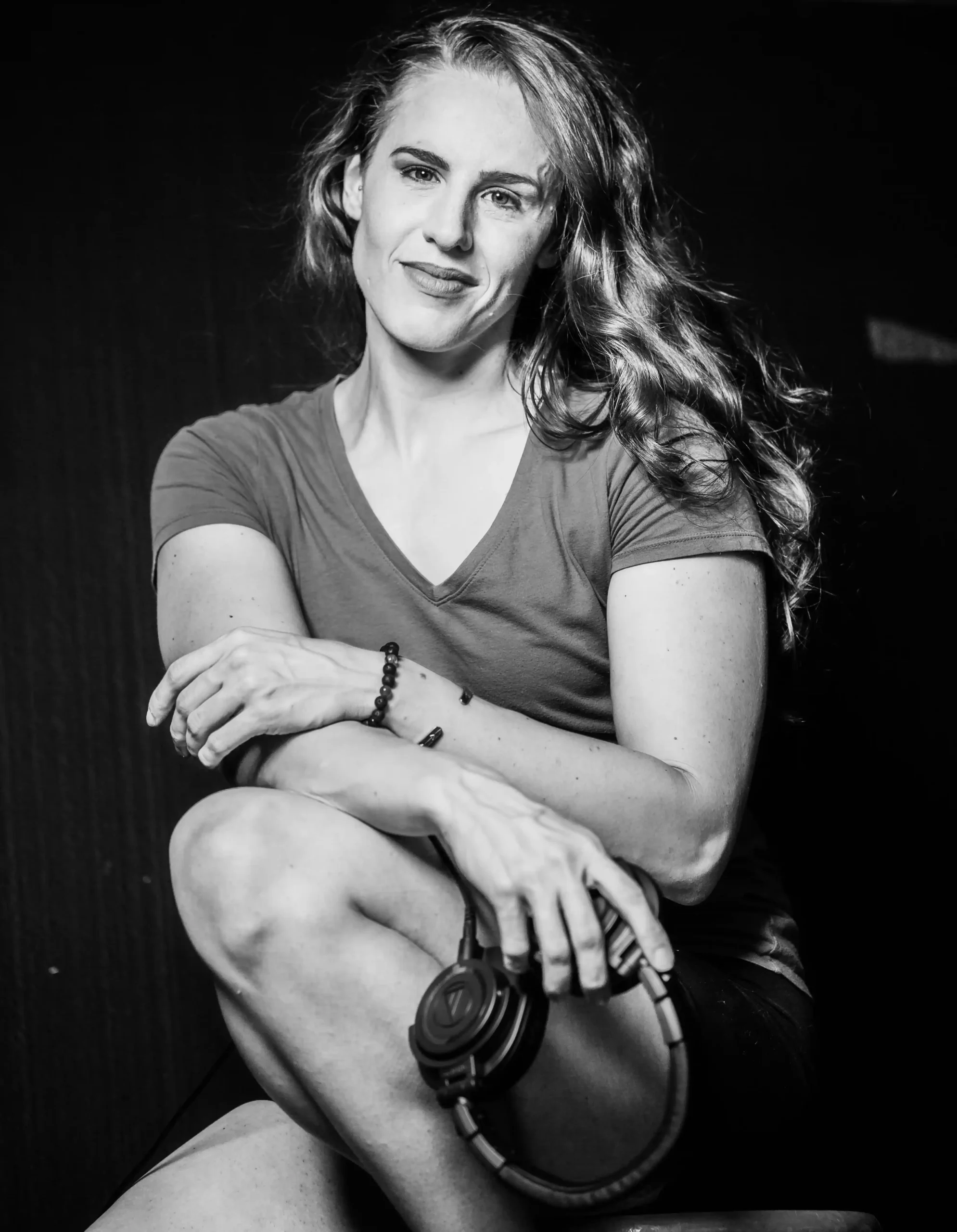
I’m Shannon Scott, a professional American female voice actor working with brands, agencies, studios, and creative teams on projects ranging from commercials and corporate narration to medical content, eLearning, and character performance.
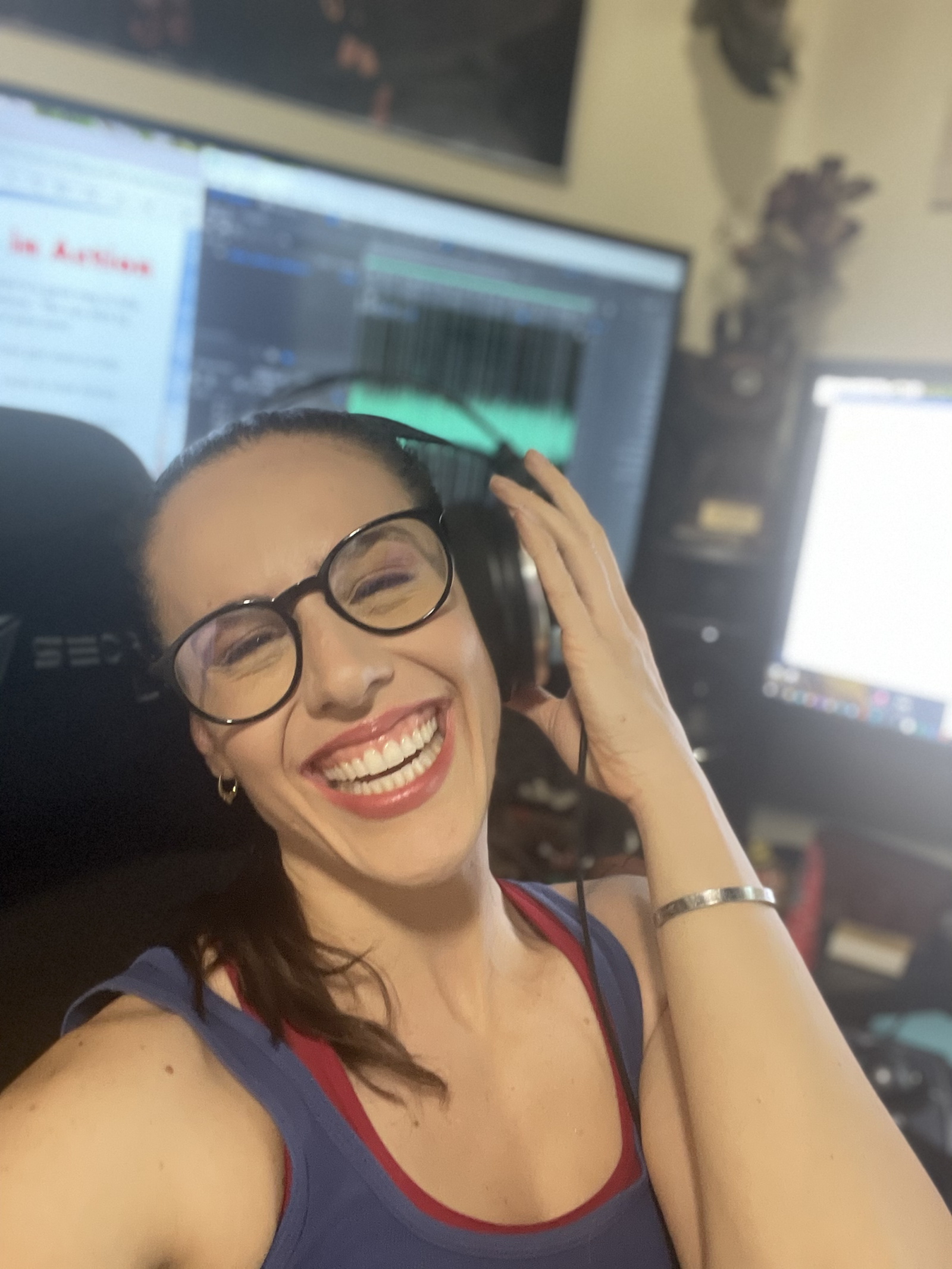
My approach is warm, natural, conversational, and adaptable. I enjoy helping clients find the right delivery for their message, whether that means a friendly, reassuring read, a confident professional tone, or a character with a personality all its own.
I record from my professional home studio, with Source-Connect capability for remote sessions and recording and editing services available for projects that need them.
If you’re looking for a professional voiceover artist who values performance, communication, and the details that make a production work, I’d love to hear what you’re creating.
Ready to discuss your project?
Tell me a little about your project, your audience, and what you need the voice to accomplish