
When imposter syndrome hits, it can feel like you’re wearing a disguise and hoping nobody notices that you don’t belong. You know the feeling. You walk off stage, out of a rehearsal, away from a recording booth, or finish an audition and suddenly that little voice starts asking:

- Who am I to be doing this?
- Am I actually good enough?
- What if everyone realizes I don’t belong here?
If you’ve ever had those thoughts, you’re not alone. And here’s the truth I want you to remember:
Imposter syndrome isn’t proof that you’re an imposter. It can be a sign that you care deeply about the work you’re doing.
That distinction changed the way I look at self-doubt in my own creative career.
What Is Imposter Syndrome?
Imposter syndrome is that persistent feeling that your accomplishments, skills, or experience aren’t enough and that eventually someone is going to discover you’re not as capable as they think you are. For performers, that feeling can hit especially hard because our work is personal.
We aren’t just completing a task and sending it off. We’re putting our voices, faces, bodies, emotions, creativity, and interpretations into the world for other people to judge. That’s vulnerable!
Whether you’re an actor, voice actor, singer, dancer, performer, or other creative, there can be a strange tension between wanting to be seen and being terrified of being judged.
You want the opportunity. Then you get the opportunity. and suddenly your brain says: Wait… are we sure we’re qualified for this?
Yep… I’ve been there too.
Imposter Syndrome Doesn’t Mean You’re Faking It
Let’s clear up one important misconception: feeling like an imposter doesn’t mean you are one.
People who care deeply about their work often hold themselves to incredibly high standards. They’re the people rehearsing late at night, refining a performance after everyone else has gone home, listening back to a recording and wondering how they could make it stronger, or thinking about whether they truly did justice to a character, story, or client.
That kind of self-questioning can become unhealthy when it takes over your life, but the existence of doubt itself doesn’t mean you’re unqualified. Sometimes it simply means you care.
And caring about your craft is not a weakness. It’s part of what makes you a thoughtful performer. The key is learning how to use that care without allowing it to turn into constant self-criticism.
Why Performers Experience So Much Self-Doubt
Performing requires an incredible amount of vulnerability. You’re asking yourself to be seen, really seen, and then you’re asking other people to evaluate what they see.
Casting directors decide whether you’re right for a role. Clients decide whether your voice fits their project. Directors give you notes. Producers make creative decisions. Audiences react to your performance. Sometimes you book the job. Sometimes you don’t. Sometimes you receive wonderful feedback, and sometimes you hear absolutely nothing.
That constant uncertainty can make it incredibly easy to start measuring your worth by external results.
But a casting decision isn’t a measurement of your value. A client choosing another voice isn’t proof that you’re a bad voice actor. Not booking the role doesn’t mean you aren’t a talented actor. Sometimes you’re simply not the right fit for that particular project.
That’s the business.
Performance psychology exists for a reason. The American Psychological Association has highlighted the unique psychological demands performers can experience, including performance anxiety and the pressure that comes with putting yourself in front of an audience.
Learning to separate your identity from the outcome is one of the most important things you can do for your confidence as an actor or performer

The Myth of the Confident Performer
We’ve all seen those performers who walk into a room like they own it. They’re prepared, charismatic, and seemingly completely comfortable in their own skin. It’s easy to assume they must never experience self-doubt.
But confidence doesn’t mean you never feel nervous. Confidence doesn’t mean you never question yourself. And confidence certainly doesn’t mean you’re never afraid. Confidence is often the result of continuing to show up while you’re afraid.
Professional performers can have moments of uncertainty and still walk into the audition. They can feel nervous and still step onto the stage. They can question their choices and still deliver the performance. They can feel like they don’t belong and still remember that they earned their place in the room.
That’s what makes a professional. Not the absence of doubt, but the willingness to move forward anyway.
I’ve Felt It Too
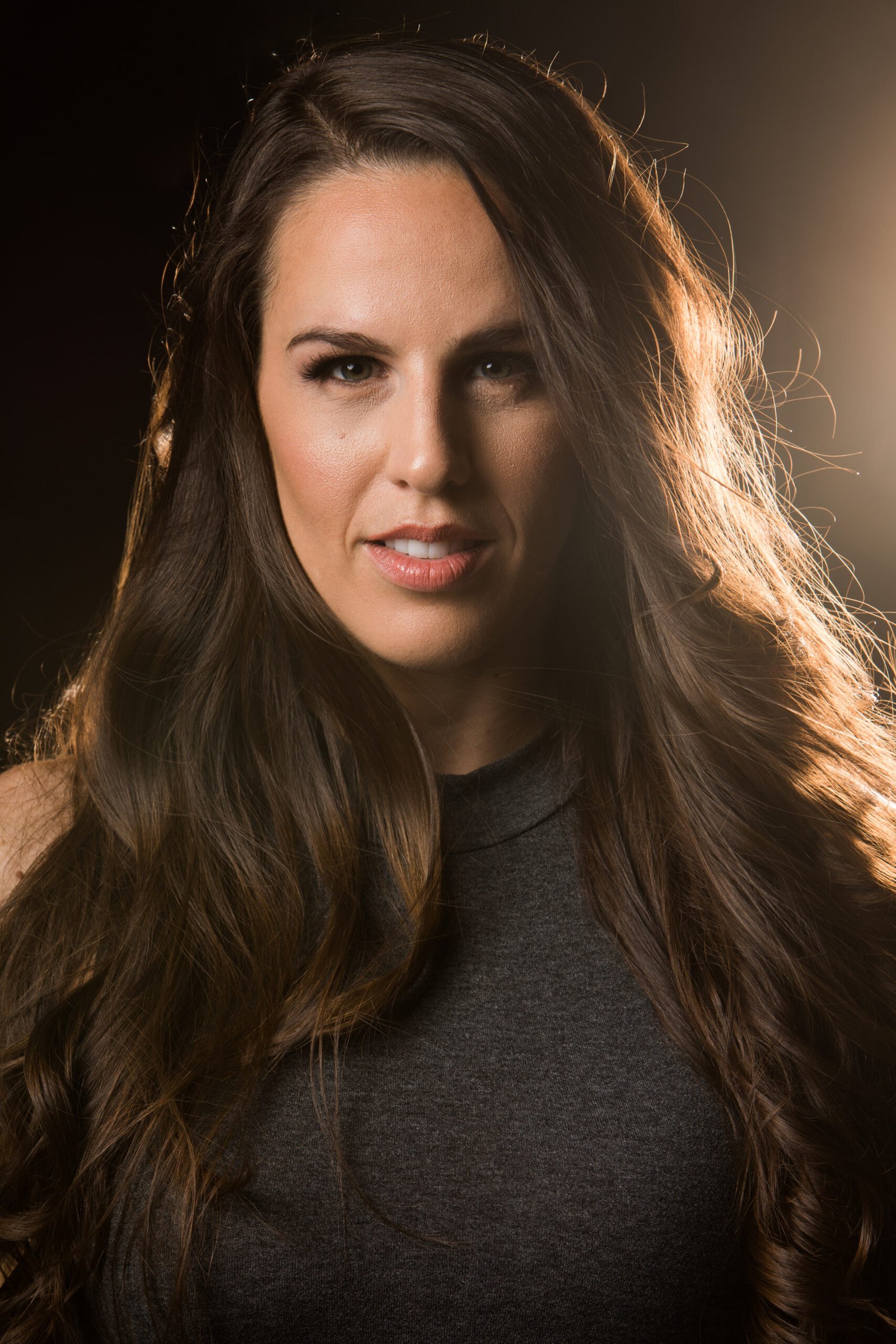
I’ve experienced imposter syndrome in some pretty unforgettable moments throughout my career.
I’ve felt it backstage at Ripley’s Aquarium before performing for a live audience. I’ve felt it preparing for underwater performances at SeaWorld. I’ve felt it sitting inside a voiceover booth, wondering whether the performance I just recorded was actually good enough. I’ve experienced it in acting, voiceover, underwater performance, and other areas of creative work where I was stepping into something new or challenging.
And every time, that familiar question can show up: Am I really good enough to be here? For a long time, I thought I needed to eliminate that feeling. Now I look at it differently.
When that voice shows up, I ask myself, “What am I stepping into that feels important enough to scare me?”
That question changes the conversation. Instead of seeing self-doubt as evidence that I shouldn’t be there, I can recognize it as a signal that I’m stretching myself. And growth usually happens outside of our comfort zone.
That’s also one of the reasons I created The Bright Stars Greenroom. I wanted to create a space where actors and creatives could step away from the noise, reconnect with themselves, build confidence, and spend time with people who understand what it means to pursue a creative life.
Because sometimes you don’t need another person telling you to work harder. Sometimes you need a place where you can breathe, reconnect, and remember why you started.
Three Mindset Shifts for Performers
1. Doubt Doesn’t Mean You Don’t Belong
Feeling uncertain doesn’t automatically mean you’re unqualified. Sometimes you’re simply doing something you’ve never done before.
There is a huge difference between saying, “I don’t know how to do this yet,” and telling yourself, “I can’t do this.” One leaves room for growth. The other closes the door before you’ve even tried.
When self-doubt shows up, give yourself permission to learn instead of demanding that you already know everything. You don’t have to be perfect to belong in the room. You have to be willing to grow.
2. Let Preparation Build Your Confidence
You don’t have to feel confident before you take action. You can build confidence by preparing.
Practice your lines. Study the script. Train your voice. Take your acting classes. Work on your self-tape skills. Record the audition. Ask for feedback. Keep developing your craft.
Every time you prepare and follow through, you’re giving yourself evidence that you can trust yourself. That is how actor confidence is built. Not overnight and not by pretending you’re fearless, but through repetition, preparation, and experience.
3. Stop Making Every “No” Mean Something About You
This one is huge! Performers hear “no” constantly. Sometimes you won’t even hear a no. You’ll simply never hear back.
It can be tempting to turn every rejection into a story about yourself: I’m not talented enough. I’m too old. I’m not attractive enough. I’m not experienced enough. I’m not what they’re looking for.
But here’s the thing: you don’t know what happened behind the decision. Maybe they already had someone in mind. Maybe they changed the character. Maybe your voice wasn’t the sound they imagined. Maybe you were fantastic and someone else was simply a better fit.
You don’t have to turn every professional decision into a personal verdict. Submit, perform, learn, and move forward.
Your Creative Community Matters Too
Sometimes the best way to quiet self-doubt is to stop sitting alone with it.
Find people who understand what you’re trying to build. Actors, voice actors, filmmakers, artists, coaches, and creators who understand the ups and downs of a creative career can provide perspective when you’re too close to your own doubts to see clearly.
A healthy creative community can be incredibly powerful because it reminds you that you’re not the only one questioning yourself. You’re not the only one who has had a bad audition. You’re not the only one who has wondered whether you’re good enough. And you’re definitely not the only one who has thought about giving up.
If you’re interested in exploring more about how your mindset can affect your creative career, check out my post on Mindset for Actors: 3 Valuable Ways to Recharge Creativity.
Sometimes stepping away from the grind, changing your environment, and giving yourself room to breathe can be exactly what you need to reconnect with your creativity.
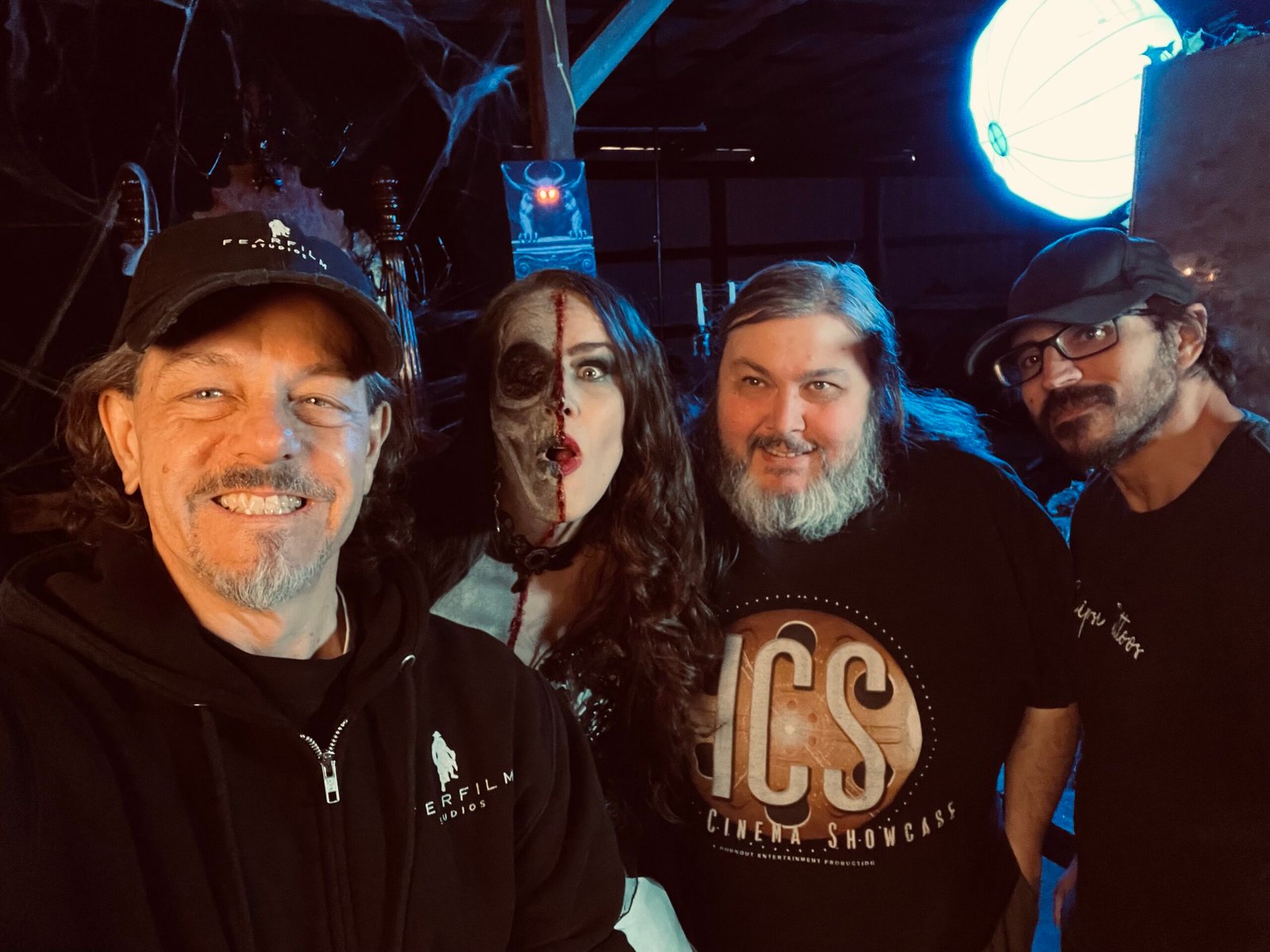
You Don’t Have to Get Rid of Imposter Syndrome
This may be the biggest mindset shift of all. We often hear that we need to “overcome” or “get rid of” imposter syndrome. But what if that isn’t the goal? What if the goal is to recognize it without allowing it to run the show?
You can feel nervous and still audition. You can feel uncertain and still perform. You can wonder whether you’re good enough and still walk into the room. You can be afraid and still create something incredible.
You don’t have to wait until you feel confident to act like someone who belongs. Sometimes you build the confidence after you take the step.
If You Care, You Belong
So the next time that little voice whispers, Who do you think you are? try answering it.
I’m someone who cares! I’m someone who is willing to learn. I’m someone who is willing to practice. I’m someone who keeps showing up. I’m someone who is brave enough to be seen. I’m an artist. And I belong here.
Because imposter syndrome isn’t proof that you’re faking it. It’s not a verdict on your talent, your career, or your future. It’s a feeling, and feelings can be acknowledged without being obeyed.
Your job isn’t to become a performer who never doubts herself. Your job is to become a performer who knows how to keep going when doubt shows up. That’s where the real confidence begins.
Keep Going, Even When Your Brain Says You Don’t Belong
If you’re struggling with self-doubt as an actor or performer, remember that you don’t have to figure everything out at once. Keep training. Keep creating, and keep surrounding yourself with people who support your growth. Keep putting yourself in rooms that challenge you!
And keep reminding yourself that being a work in progress doesn’t make you a fraud. It makes you human.
If you want to explore more about overcoming self-doubt and building confidence as a creative, read my related post on Overcoming Imposter Syndrome as a Creative.
And if you’re ready for a place to recharge, reconnect, and grow alongside other creatives, explore The Bright Stars Greenroom and our creative retreats.
You don’t have to stop being afraid. You just have to stop letting fear convince you that you don’t belong.
Keep showing up. Keep growing. Keep creating.
You are not an imposter. You’re an artist in progress!