
If you’re an actor, there’s a good chance you’ve heard some version of this: “I have an agent. They’ll find me work.” And while having an agent can absolutely be an incredible part of your acting career, there’s something important to remember: your agent is part of your team, but they are not your entire marketing department.
An agent can submit you for projects, negotiate contracts, build industry relationships, and help guide your career. What they can’t do is be everywhere you are or tell every producer, director, casting professional, and potential collaborator who you are. That part is up to you.
I don’t mean that you need to become an influencer, post every day, or spend hours trying to make yourself go viral. Marketing for actors is much simpler than that. At its heart, marketing is about making it easier for the right people to find you, understand what you do, remember you, and know how to work with you.

I’ve had to learn this myself. My career has grown across acting, voiceover, underwater performance, photography, and performance capture, and none of those opportunities have come from one single source.
Building a creative career has meant learning how to create relationships, communicate what I do, put my work where people can find it, and sometimes create my own opportunities.
So if you’re an actor wondering where to start with marketing for actors, here are seven strategies I believe are worth your time.
1. Build a Professional Home for Your Career
Social media platforms, casting platforms, and IMDb is useful. But you don’t own any of those platforms, and the way information is presented on them can change at any time.
Your website is different. A professional actor website is one of the most important tools in marketing for actors because it gives you a place where you control the information, the presentation, and the experience someone has when they discover you.
Someone who hears your name should be able to search for you and quickly find a professional home that answers some basic questions: Who are you? What do you do? What kind of work are you looking for? What makes you interesting or different? And how can someone contact you?
For me, my website has become much more than a digital resume. It gives me a place to bring together the different pieces of my career, from acting and voiceover to performance capture and underwater work. It also gives potential clients and collaborators a way to understand what I actually offer without having to piece everything together from different social media accounts.
I’ve also been spending a lot more time learning about SEO and how people actually find creative professionals through Google. That has made me realize that your website isn’t only for people who already know your name. A well-built site can also help the right people discover you in the first place.
Google’s own Search Central documentation is a useful resource if you want to learn more about how search works and how to make your website easier for Google to understand.
Try this: Go to your website and pretend you’ve never met yourself. Give yourself about 30 seconds to figure out who you are, what you do, what kind of work you offer, and how someone can contact you. If those answers aren’t obvious, that’s a great place to start.
2. Know What You Want to Be Known For
One of the biggest challenges for actors is figuring out how to communicate everything they can do without overwhelming people. You may be an actor who also sings, dances, writes, directs, models, does voiceover, performs stunts, or has specialized skills. There is nothing wrong with having a lot of abilities, but that doesn’t mean every single one needs to compete for attention at the top of your website.
Marketing for actors becomes much easier when you understand what you want people to remember about you. For me, that has been an ongoing process because I genuinely have a lot of different creative interests and skills. I’ve worked as an actor, voiceover artist, underwater model, photographer, and performance capture performer.
Those things might look completely separate on paper, but together they tell a much more interesting story about the kind of performer I am and the kinds of projects I can contribute to.
The goal isn’t to put yourself in a box. It’s to give people a doorway into your work. Once someone becomes interested in you, they can discover everything else you bring to the table.
This is especially important when you have specialized skills. If you work in performance capture, creature acting, underwater performance, stunts, dialects, or another unusual area, those abilities can become part of what makes you memorable.
Try this: Finish the sentence, “I want people to think of me when they need a __________.” Maybe that’s a comedic actor, a character performer, a commercial voiceover artist, a leading woman, a physical performer, a medical narrator, or a creature actor. Whatever your answer is, get specific enough that someone could actually remember it.

3. Create Content That Shows Who You Are
You don’t have to become a full-time content creator to make marketing for actors work for you. In fact, I think actors sometimes make social media much harder than it needs to be because they assume everything has to be polished, strategic, and perfectly branded. It doesn’t.
You can share a behind-the-scenes photo from a project, talk about something you’re learning, post a clip from your reel, share a rehearsal, talk about an experience on set, celebrate another artist, or simply let people see some of the personality behind the headshot.
That matters because people don’t only hire talent. They hire people they trust to show up, collaborate, communicate, and contribute to a project. Your content can give someone a glimpse of who you are before you’ve ever met.
This has become particularly important in my own career because I work across several creative industries. I can share something about voiceover one day, performance capture another day, or an acting project another day. I don’t see those things as completely separate identities. They’re all part of my creative life.
And sometimes the content that seems the least important can create the most meaningful connection. You never know who is watching, who knows someone, or who might recognize something in your story that makes them want to start a conversation.
Try this: Instead of asking yourself, “What should I post?” ask, “What am I already doing that someone else might find interesting?” Your creative life is full of potential content. You just have to start noticing it.
4. Network Before You Need Something
Networking gets a bad reputation because people often picture walking into a room and trying to collect as many business cards as possible. That has never been my favorite way to think about it. I think of networking as building relationships, and that is a huge part of marketing for actors.
Talk to other actors. Support filmmakers. Connect with producers. Comment thoughtfully on someone’s work. Go to industry events and screenings. Participate in workshops. Join creative communities. Congratulate someone when they book something. Have conversations without immediately asking, “Can you get me a job?”
Organizations like SAG-AFTRA can also be useful resources for understanding the professional side of working as a performer and staying informed about the industry.
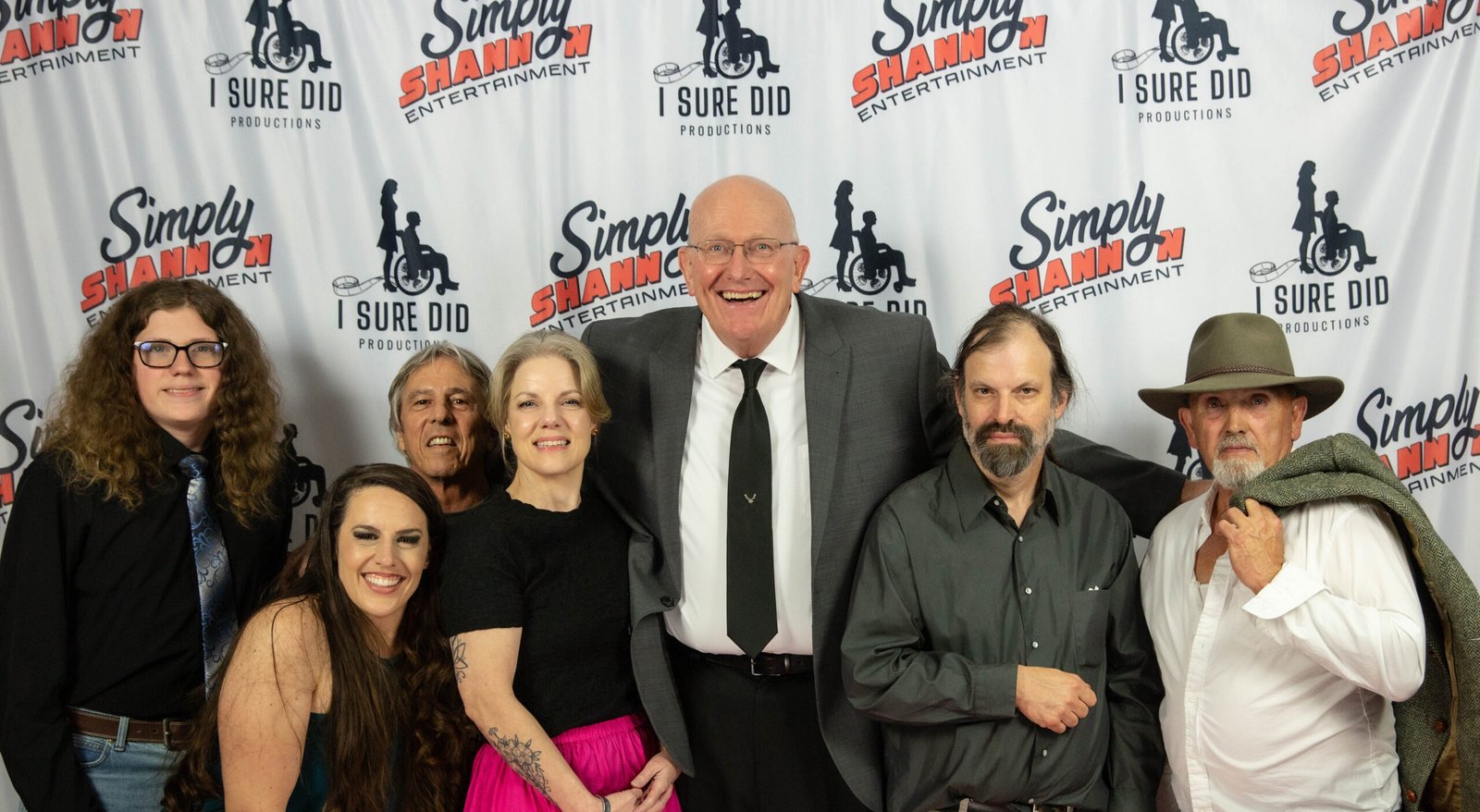
Some of the best opportunities I’ve had have come through relationships that weren’t built around asking for anything. Sometimes you meet someone simply because you have a shared interest or you happen to work on the same project. You may not have anything to offer each other at that moment, but you remember one another.
The person you meet today may not have a project for you today, but six months from now they might. They may introduce you to someone else, recommend you for something, or remember you when a role comes up that fits you perfectly. You can’t predict where relationships will lead, and that’s part of what makes this industry so interesting.
Try this: Make relationship-building part of your regular routine. Reach out to one person each week simply to connect, congratulate them, support their work, or continue a conversation. Networking doesn’t always need to come with an ask.
5. Don’t Wait for Someone Else to Create Your Opportunities
Actors are trained to wait. We wait for the audition, the callback, casting, the agent, the producer, or someone else to give us an opportunity. There’s nothing wrong with pursuing traditional opportunities, but I think a creative career becomes much more empowering when you realize you can create opportunities, too.
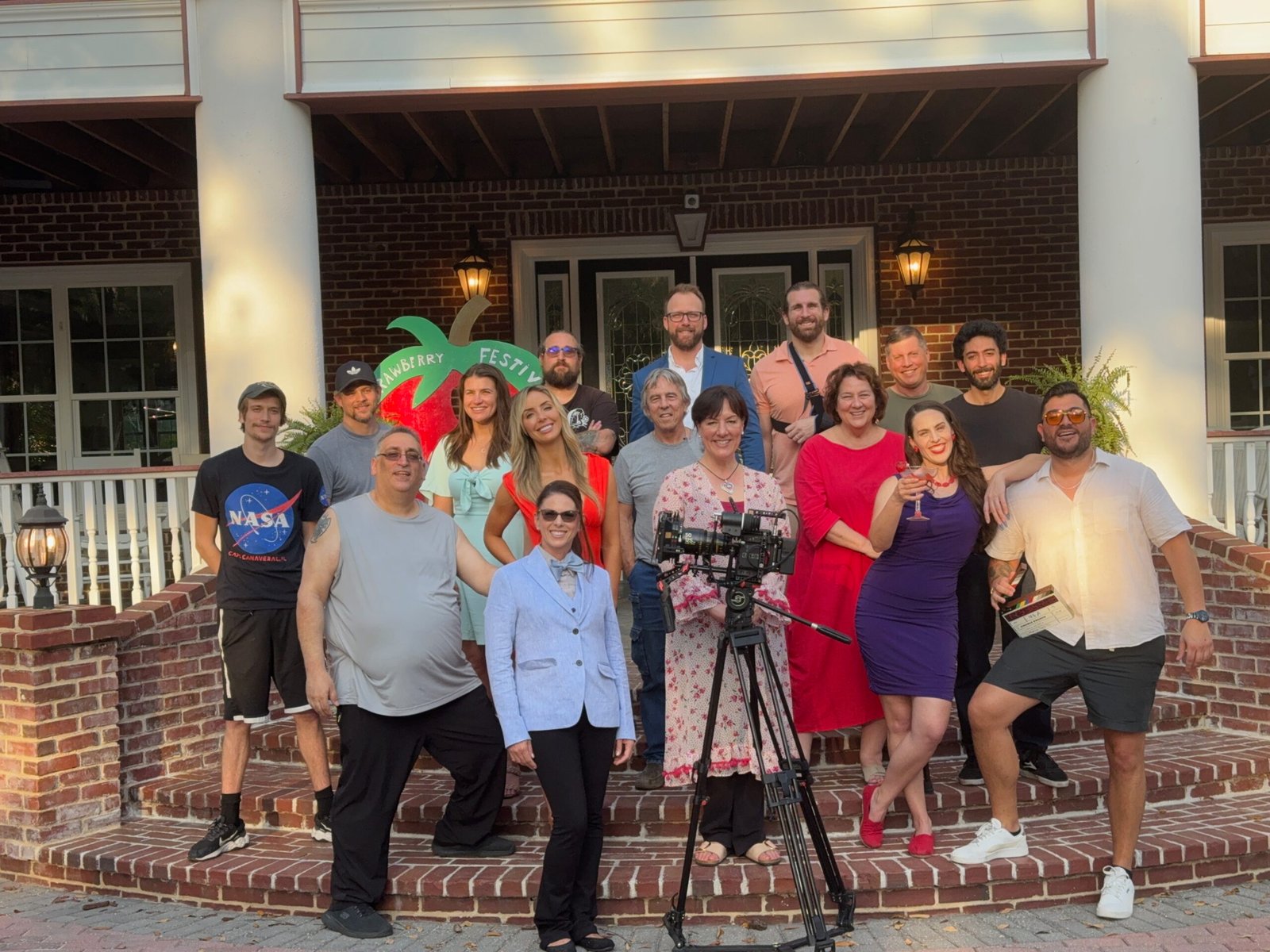
That’s exactly what we did with Double Booked during one of The Bright Stars Greenroom acting retreats. Instead of waiting for someone to cast us in a short film, we created one. The retreat participants went through workshops and rehearsals, and then we stepped onto a professional set and actually made the project.
That experience reminded me how much actors can learn when they move from simply talking about the work to actually making something. You can write a scene with another actor. You can produce a short film, start a podcast, develop a web series, make content around your special skills, or you can collaborate with a filmmaker who has an idea but needs performers.
You can also look at your existing skills and consider whether they could create another income stream while supporting your acting career. I wrote more about that in 3 Side Hustles for Voice Actors to Make Extra Income, because I believe having multiple streams of creative income can give performers more options while also helping them develop skills that strengthen their larger careers.
Creating your own work doesn’t mean you don’t want traditional acting opportunities. It simply means you’re refusing to let waiting become your entire career.
Try this: Think of one project you’ve been talking about for a while. It doesn’t have to be huge. Ask yourself what the smallest version of that idea would look like and what you would need to do to actually make it happen.

6. Use the Platforms Where Your Industry Actually Lives
When actors think about marketing for actors, they often think exclusively about Instagram or TikTok. Those platforms can absolutely be useful, but effective marketing for actors isn’t about being everywhere. It’s about understanding where the people you actually want to work with spend their time and showing up there consistently.
If you’re pursuing traditional film and television acting, you may want to focus on the platforms and communities where actors, casting professionals, directors, producers, and filmmakers are active. If you’re pursuing commercial voiceover, corporate work, healthcare, e-learning, advertising, or technology projects, your potential clients may be spending more time on LinkedIn or professional networks.
This is something I’ve learned through voiceover. The person hiring me for a commercial, medical narration, corporate project, or e-learning production may have a completely different role from the person casting an actor for a film.
That means my marketing strategy can’t simply be, “Post more on Instagram.” It needs to be: “I need to know who I’m trying to reach and where those people are.” You don’t have to be everywhere. In fact, trying to maintain a presence on every platform can quickly become exhausting and take time away from the actual work you want to be doing.
Try this: Choose two or three platforms that make sense for the career you’re building. Learn how people use those platforms, follow the people and companies relevant to your work, engage with their content, and share your own work consistently.
7. Make It Easy to Hire You
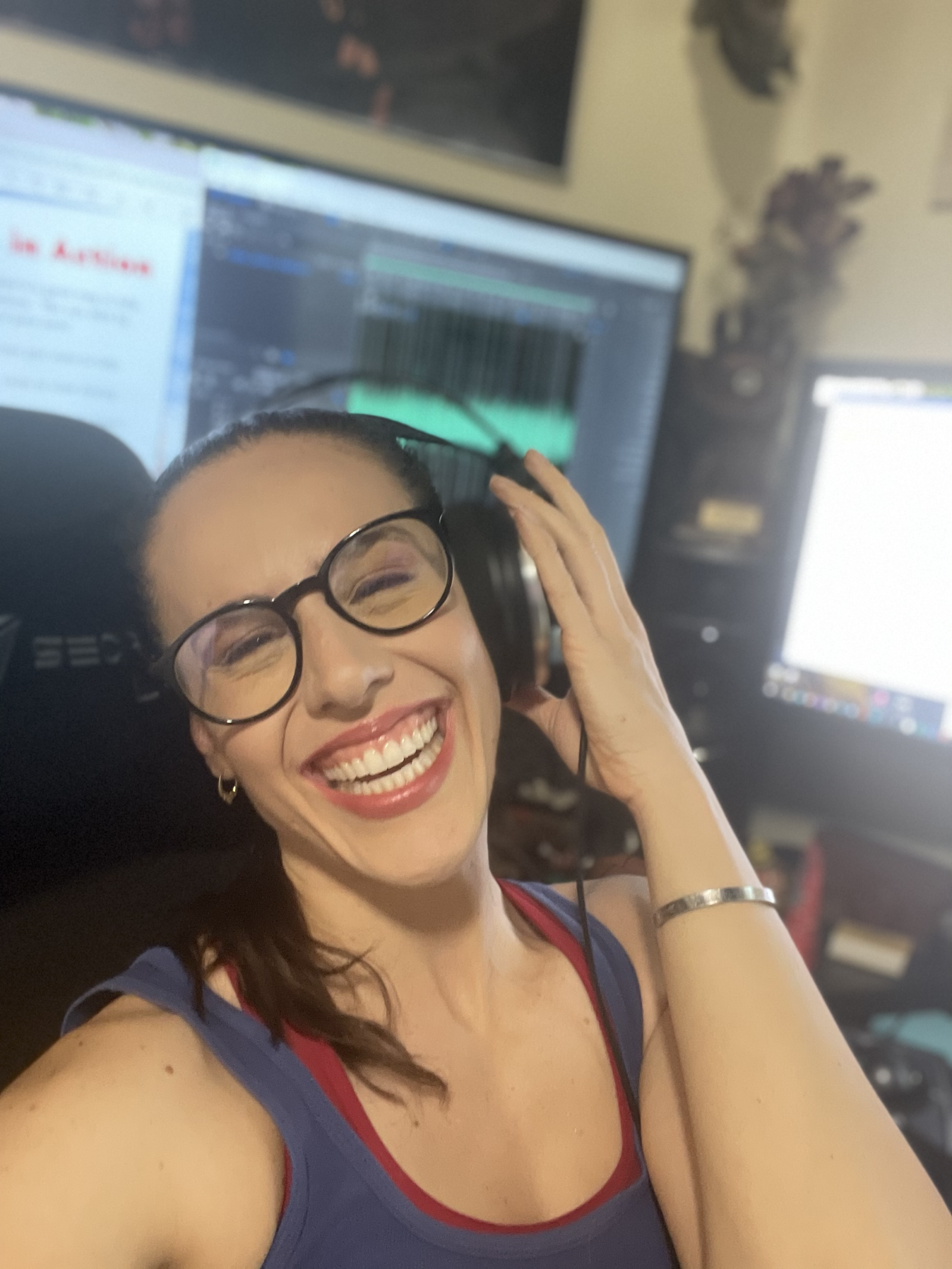
This may sound obvious, but it is one of the most important parts of marketing for actors. If someone becomes interested in you, don’t make them hunt for the information they need.
Your headshots should be easy to find. Your reel should be easy to access. Your resume should be available when appropriate. Your special skills should be visible. Your contact information should be obvious.
The same is true for voiceover and other creative services. If someone is looking for a professional voiceover artist, they should be able to hear your demos and understand what you offer without having to send you five emails first.
If you work in performance capture, underwater performance, stunts, dialects, or another specialized area, don’t hide that information. Those unique skills may be exactly what makes someone remember you for a particular project.
Your marketing has done its job if someone becomes interested in you. Your next job is making the next step easy.
Your professional profiles matter here, too. If you use IMDb as part of your professional presence, make sure your credits and information are current and consistent with the rest of your materials.
Try this: Pick one person who has never met you and ask them to look at your website or professional profile. Have them tell you what they think you do, what kind of work you’re available for, and how they would contact you. Their answers may reveal gaps you don’t see because you’re too close to your own career.
Marketing Doesn’t Mean Constantly Selling Yourself
This is something I wish more actors understood… Marketing isn’t standing on a digital street corner shouting, “Look at me!” It’s communicating what you do, building relationships, sharing your work, staying connected to your industry, and making yourself easier to discover.
It’s also not about constantly convincing people that you’re the best actor in the room. You don’t need to prove that you’re the most talented person in the world. You need to help the right people understand why you might be the right person for their project.
That shift in perspective can make marketing feel much less intimidating. You’re not begging people to choose you, you’re giving them the information they need to decide whether what you offer is a good fit.
That’s ultimately what good marketing for actors should do: help the right people discover your work, understand what you offer, and make it easy for them to take the next step.
Your Agent and You Are a Team
If you have an agent, that’s wonderful. Use that relationship and communicate with them. Understand what they’re looking for, keep them updated when something important changes in your career, and provide new materials when appropriate.
Most importantly, remember that you are both working toward the same goal.
Your agent can open doors, but you still have a role in building the career on the other side of those doors. You can continue developing relationships, creating content, maintaining your website, making your own work, and looking for opportunities that complement the work your agent is already doing.
That isn’t competing with your agent. It’s being an active participant in your own career.
Your Career Is Your Business
I used to think of marketing for actors as something separate from being an actor. Now I see it differently. If I’m building a career, then learning how to communicate what I do is part of the job, and that’s a big part of what marketing for actors really means to me.
Maintaining my website is part of the job. Networking is part of the job. Creating content, building relationships, developing my skills, and sometimes creating my own projects are all part of the bigger picture.
You don’t need to do everything at once. Start with one thing. Update your website. Post something you’re proud of. Reach out to someone you’ve been meaning to connect with. Create a small project. Make your reel easier to find. Figure out what you want to be known for, and then keep going.
Small, consistent actions can add up to a very different career over time.
That’s also part of why I created The Bright Stars Greenroom, my creative retreat experience for actors and creatives. I wanted to create a space where performers could step away from the constant pressure of the industry, work on their craft, build relationships, explore the business side of being a performer, and reconnect with the creative part of themselves.
I’ve learned through my own career that there isn’t just one path to building a creative life. Sometimes the opportunity comes through an audition. Sometimes it comes through a relationship. Sometimes it comes from a skill you developed years ago. And sometimes you have to be willing to create the opportunity yourself.
Because an acting career isn’t just about getting booked. It’s about building something sustainable around the work you love.
Your agent can be an important part of that team, but your career still belongs to you. Take an active role in building it, keep learning, keep connecting, and keep creating opportunities for yourself along the way.