
When clients hire voice talent, they are listening for more than a great read…
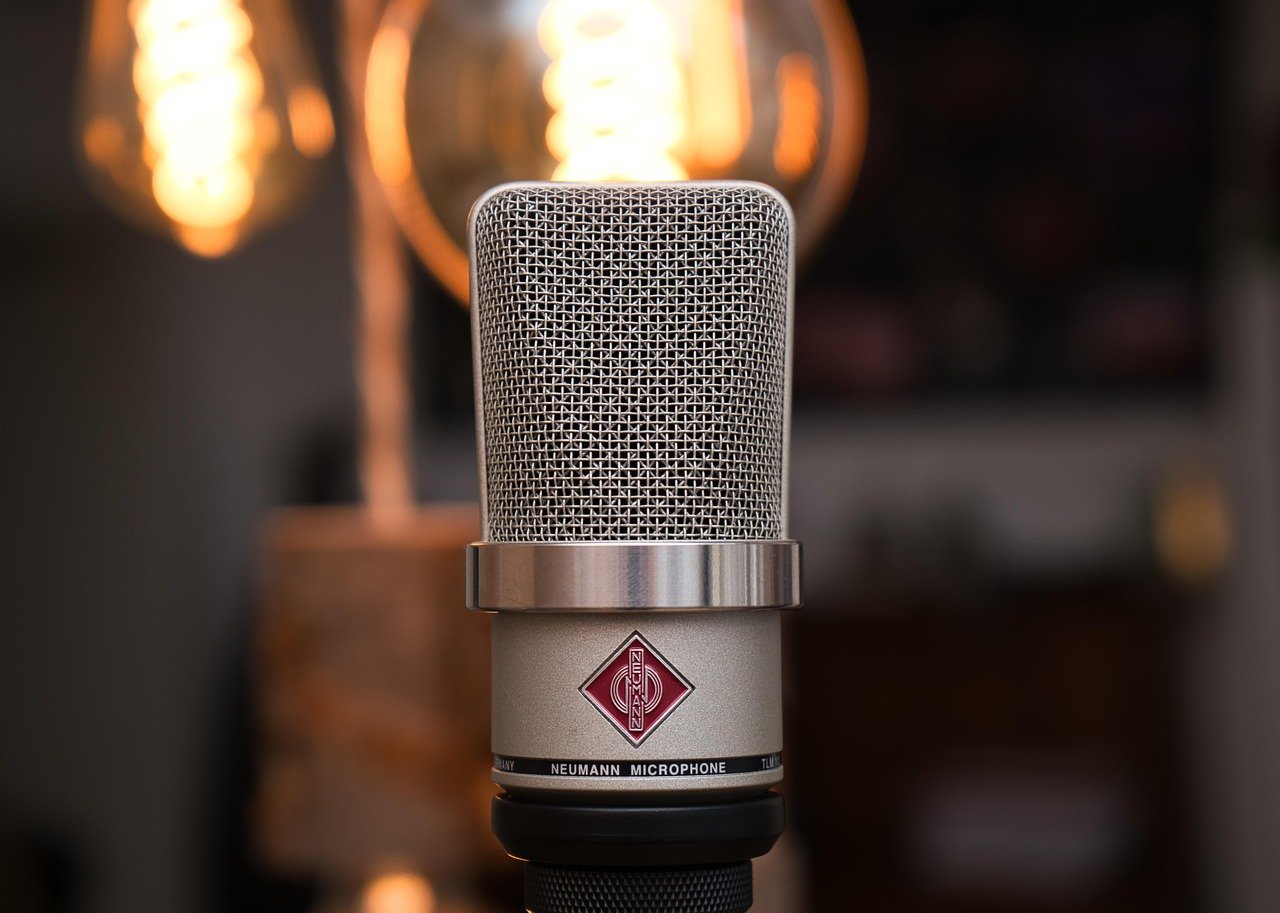
They want confidence that the audio will sound clean and professional. Confidence that the files will be usable and ready to broadcast. Confidence that the voiceover will slide into the project without creating extra work on the back end.
That’s where voiceover studio quality standards matter when working with voiceover talent.
Many clients don’t necessarily know the technical terms, and honestly, they shouldn’t have to. But most people know immediately when something sounds polished, versus when it doesn’t.
A strong performance can still lose impact if the audio is noisy, inconsistent, echoey, or distracting. In commercial voiceover, medical narration, eLearning, branded content, and corporate training, clarity matters because the message matters.
So what should clients actually expect when hiring professional voice talent?
Let’s get into it!
Voiceover Audio Quality Standards Clients Should Expect
Good audio rarely calls attention to itself… Like a ghost, it should be invisible! That’s usually the first sign of professional voiceover audio.
The listener should not be thinking about the room, background noise, strange edits, volume shifts, or distracting mouth sounds. They should simply be focused on the message being told.
This matters more than people often realize. A recording can sound “fine” at first listen, but subtle distractions can quietly reduce the engagement of your audience. And if someone is thinking about something else, your message has already been lost.
Professional voiceover audio should feel effortless. Not because it takes no work, but because the technical side is handled well enough that the listener never notices it. It’s the attention to detail that goes into creating a clean voiceover recording.
A professional recording should have a low noise floor
One of the first things clients should expect is a clean recording environment. Which basically means a low noise floor.
Noise floor is the background sound present when the voice is not speaking. It might include:
- HVAC hum
- computer fan noise
- electrical buzz
- distant traffic
- subtle room noise
Even if those sounds seem minor, they often become obvious during pauses, edits, and sentence endings. Professional voiceover audio recordings should feel controlled from beginning to end, even in RAW format.
For spoken-word production, many engineers aim for a noise floor around -60 dBFS or lower. A good technical overview comes from the Adobe Audition audio recording guide.
Most clients won’t measure the decibel level themselves, but they will always hear the difference.
Room tone should sound controlled, not reflective
A microphone hears more than the voice behind it. It hears the room too.
That’s why professional voiceover audio is not just about equipment, but also about environment.
An untreated room can create:
- light echo
- boxiness
- reflections
- uneven ambience
Sometimes those issues are more subtle, and other times they can be extremely obvious. Either way, they make a recording feel less polished which can hurt your brand and message.
A controlled recording space creates stable room tone that stays out of the way. This matters because edits need to sound natural to the human ear.
When room tone shifts from sentence to sentence, cuts become noticeable with a loud and inconsistent room tone. However, when the recording environment is consistent, the edits will start to melt away and ultimately disappear.
That is one of the reasons professionally recorded voiceover often sounds smoother even before any heavy post-production begins.

Consistent levels matter more than clients realize
One of the most common issues in non-professional recordings is inconsistent volume. A line starts strong, then drops. Another phrase peaks too hard, and then a quiet or soft sentence suddenly feels buried all together.
These changes may seem small, but they create something everybody want to avoid… listening fatigue.
Professional voiceover should sound consistent from line to line and section to section. Don’t get me wrong here, that doesn’t mean flattening the life out of a performance.
However, it means preserving natural dynamics while keeping the overall listening experience controlled and easy to follow. A professional voiceover talent will be able to adjust levels to give you audio that is consistent from start to finish.
This matters especially in:
- eLearning modules
- medical narration
- corporate training
- explainer videos
- long-form narration
In those formats, consistency supports learners comprehension.
Clean editing is part of professional delivery
A polished read is only part of the job… Professional delivery also means thoughtful editing.
Clients should always expect final files that feel clean.
That may include:
- removing distracting mouth noise
- cleaning obvious clicks or bumps
- smoothing awkward pauses
- maintaining natural pacing
- delivering even transitions
Many voice actors do some level of cleanup, but not all voice talent handles editing the same way. Unless specifically requested, I also only lightly clean the recorded audio file to ensure clarity, consistency, and a polished final delivery while preserving the natural performance.
Since I also come from an audio editing background, including audiobook editing and radio imaging production, I pay close attention to how the final file feels, not just how the raw performance sounds.
That matters because clients are often not just hiring a voice, they are hiring the voiceover studio quality as well.
Cleaner files can save time in post-production, reduce revisions, and keep projects moving. After all, time is money and money is time!
“Broadcast-ready” should mean usable, not just nice sounding
Clients hear the phrase broadcast-ready voiceover all the time… But what does that really mean?
At the end of the day, it simply means that the file is usable.
This means:
- clean audio
- stable room tone
- consistent levels
- sensible editing
- properly named or formatted files if requested
- minimal technical distractions
The goal is never perfection for its own sake, but to make the producer’s job easier at the end of the day. That applies whether the project is a commercial spot, branded video, internal training piece, healthcare narration, or digital ad campaign.
Voiceover talent and producers work as a team, and when that collaboration is smooth… everything else flows more easily and the final result is stronger!

Fast delivery matters, but clean delivery matters more
Turnaround time is always important, because this industry moves fast!
With that said, most clients appreciate speed. Speed without clean audio however, will usually create more work later.
Professional voiceover means balancing both. Because a fast delivery is useful only if the files arrive ready to work with.
That’s one reason recording quality and editing quality belong in the same conversation. When recording and editing work together, projects will always move more smoothly and efficiently.
Clients don’t just notice how quickly the files arrived. They will also notice how little they had to fix. And that makes a huge difference!
A professional home voiceover studio should create repeatable quality
Many projects today are recorded remotely, and that makes professional home voiceover studio standards more important than ever.
A strong home setup should create repeatable results, and clients should be able to expect:
- consistent sound from session to session
- a controlled acoustic environment
- reliable recording levels
- clean signal path
- professional monitoring
This is where studio quality becomes part of client confidence. Knowing that you can rely on your voice actor to deliver clean audio, every time.
If you want to see the exact recording environment and setup I use to deliver clean, professional audio, you can take a look at my studio specs page.
What clients should really listen for
Most clients do not need to think like an audio engineer, but when reviewing auditions, samples, or voiceover deliveries, a few simple questions can help:
- Does the recording sound clean in the pauses?
- Does the room disappear, or can you hear it?
- Are levels consistent?
- Do edits feel natural?
- Does the file sound ready to drop into the project?
Those are often better indicators than technical jargon.
Professional voiceover audio should make the decision easier versus creating more uncertainty.
Why this matters to the end listener
At the end of the day, audio quality is not just a production concern. It affects communication with your audience.
When audio is clean, the listener stays with the message. When audio is distracting however, the message loses it’s momentum.
That matters in any and every field. From healthcare education to branded storytelling, good audio supports one of the most important qualities you want to convey, which is trust.
And trust helps you close the gaps and build the connection with your listener!

What This Means for Your Project
Voiceover audio quality standards are not about showing off gear or making things overly technical. They are about delivering audio that feels clear, dependable, and easy to use for your project
Clients should expect:
- low noise
- controlled room tone
- consistent levels
- clean editing
- usable files
- reliable quality from session to session
That is what professional voiceover audio should deliver!
If you’re looking for clean, broadcast-ready voiceover audio that’s easy to work with, I’d love to collaborate on your next project.