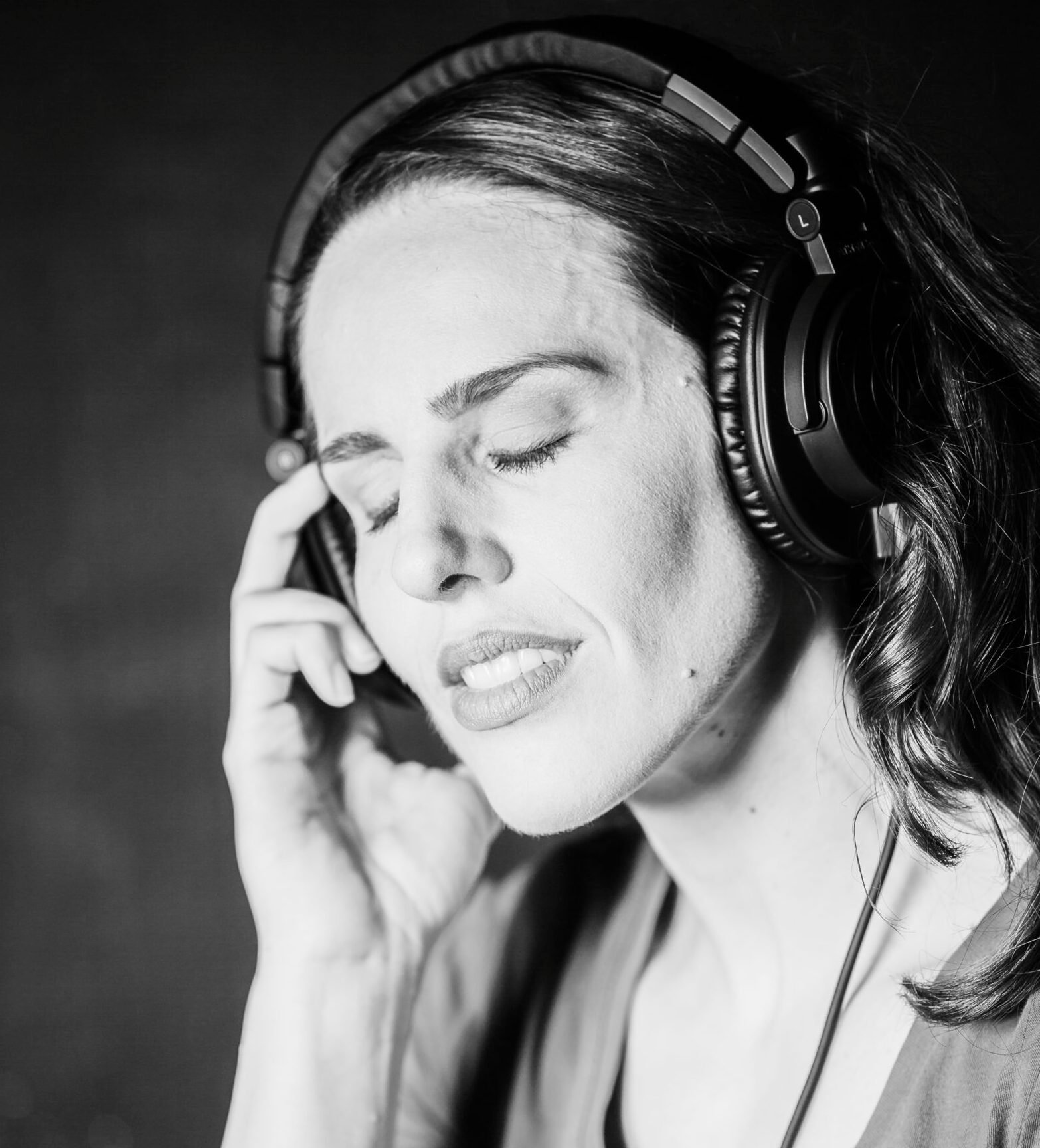
If you’re hiring a voice actor, vocal performance matters, but so do voiceover studio specs.
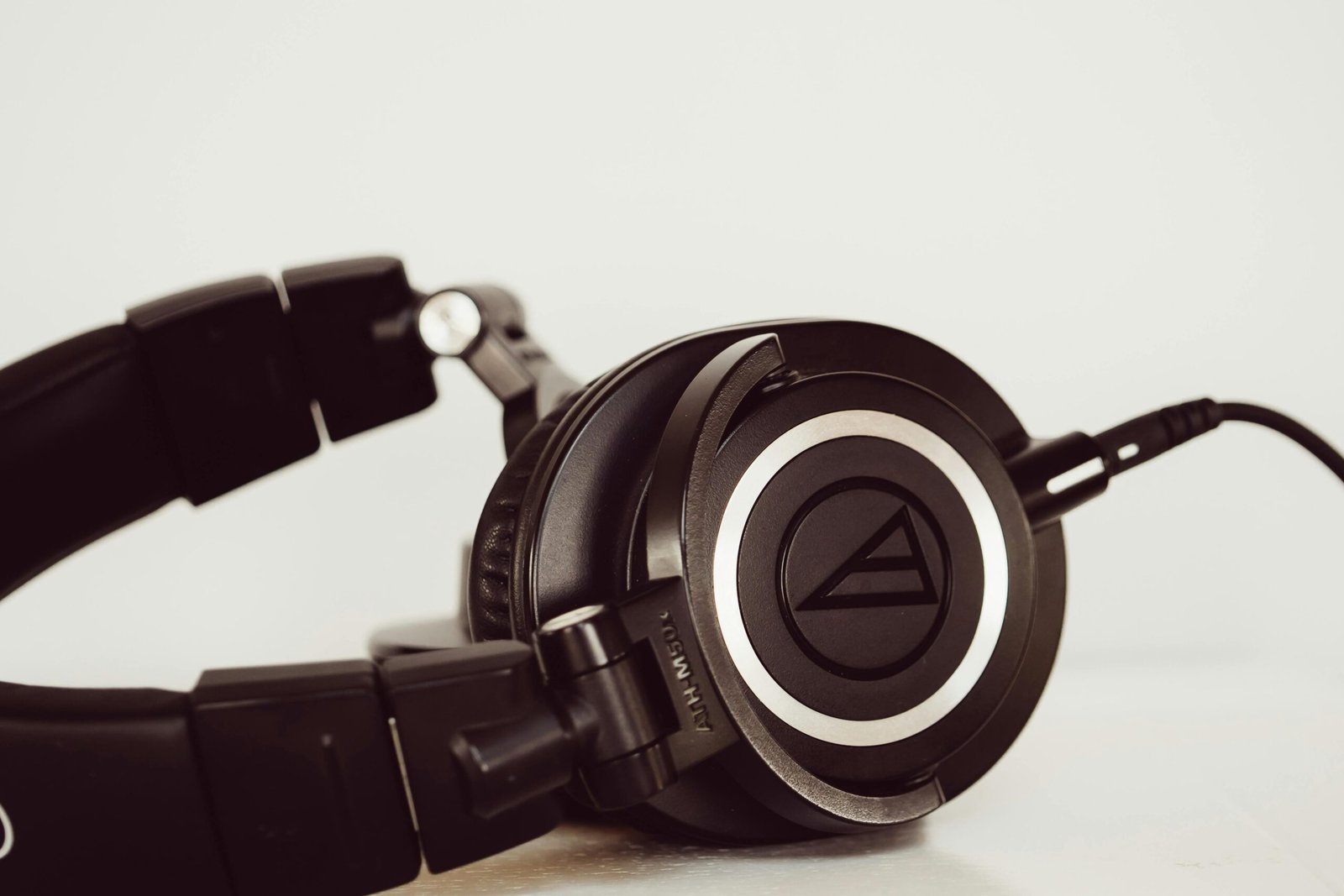
A polished read recorded in a poor environment can create background noise, uneven levels, room echo, and extra cleanup for your production team. In industries where precision matters (especially healthcare, education, eLearning, corporate training, and medical narration), audio quality directly affects comprehension, credibility, and user experience.
That’s why professional voiceover studio specs matter just as much as vocal performance.
A strong studio setup doesn’t simply make audio sound better. It helps your message land clearly, keeps your workflow efficient, and gives you files that are ready to use.
What Are Voiceover Studio Specs?
Voiceover studio specs are the technical standards of the recording environment, equipment, and post-production process used to create professional voiceover audio.
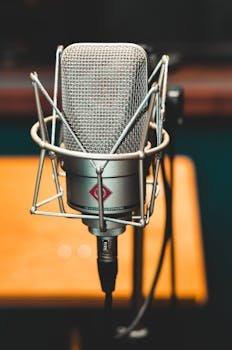
This includes:
- Recording environment and acoustic treatment
- Microphone quality
- Audio interface and signal chain
- Background noise level (noise floor)
- Editing and mastering standards
- File format and delivery specifications
Simply put: voiceover studio specs determine whether the final audio sounds professional, clean, and ready for production.
For clients who want a deeper look at professional delivery formats like WAV files, bit depth, and export settings, Adobe Audition offers a useful overview of how professional audio files are prepared for production workflows
Why Voiceover Studio Specs Matter
The difference between “usable audio” and “excellent audio” often comes down to studio quality.
Better clarity improves understanding
In eLearning, medical narration, healthcare training, and instructional content, listeners need to absorb information quickly and accurately.
Poor audio can create:
- Listener fatigue
- Replays and missed information
- Reduced comprehension
- Lower engagement
Clear, professionally recorded voiceover helps the audience focus on the message rather than the recording.
Professional audio strengthens brand trust
Many people often judge professionalism subconsciously through sound.
Even when a script is excellent, low-quality audio can make a company feel less polished. Clean, balanced, broadcast quality voiceover immediately improves perceived credibility.
If you want to see the specific equipment, recording environment, and delivery standards I use, you can view my studio specs page.
Cleaner recordings save production time
Production teams often ask about voiceover recording quality standards because bad recordings create extra work.
Professional studio audio means:
- Less noise reduction
- Fewer edits
- Easier mixing into video or eLearning projects
- Faster turnaround from production to delivery
That saves both time and budget.
What Is Considered Broadcast-Quality Voiceover?
Broadcast-quality voiceover generally means audio that is clean, consistent, low-noise, and ready for professional use.
A professional recording should typically include:
- No audible room echo
- No distracting background noise
- Consistent levels throughout the recording
- Natural vocal tone without distortion
- Clean edits and polished delivery
For clients, this means the audio can be dropped into a production with minimal cleanup.
What Equipment Does a Professional Voiceover Studio Use?
A professional voiceover studio setup is more than owning a good microphone.
1. Acoustic treatment
The room matters as much as the gear.
Professional studios use acoustic treatment to reduce:
- Reflections
- Echo
- Room coloration
- Environmental distractions
Without acoustic control, even expensive microphones can sound amateur.
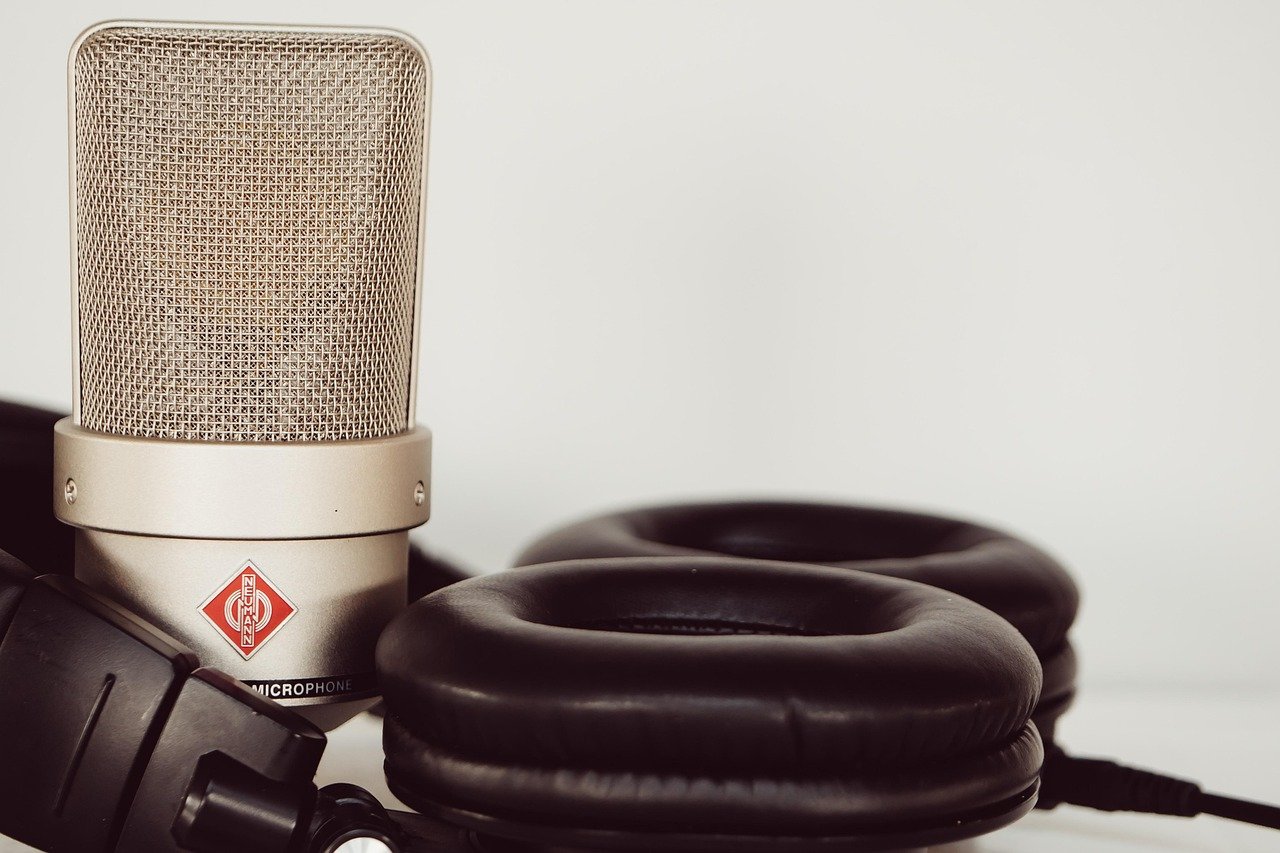
2. Professional microphone
A high-quality microphone captures:
- Detail
- Presence
- Warmth
- Clarity
This allows the voice to sound natural and articulate, especially important for long-form narration, healthcare voiceover, and educational content.
3. Audio interface
A professional audio interface provides clean conversion from analog voice to digital recording. Whereas a weak interface can introduce hiss, distortion, or thinness that becomes difficult to fix later.
4. Low noise floor
One of the most important voiceover audio quality requirements is a low noise floor.
This means recordings should be free of:
- HVAC rumble
- Computer fan noise
- Electrical hum
- Outdoor interruptions
A low-noise recording gives editors more flexibility and creates a more polished final product.
Why Voiceover Studio Specs Matter for Healthcare and eLearning
Some industries require especially high recording standards.
Healthcare narration
In healthcare and medical communication, clarity directly affects understanding.
That includes:
- Patient education
- Medical training
- Pharmaceutical explainers
- Clinical eLearning
- Safety and compliance materials
This is why medical narration voiceover standards tend to be higher than average marketing content. The listeners need precise, distraction-free audio.
eLearning voiceover
For eLearning voiceover audio quality, consistency matters just as much as clarity.
Long-form narration should sound:
- Even from beginning to end
- Comfortable for extended listening
- Free of sudden volume changes
- Clear enough to support retention and comprehension
Good studio specs support learner engagement, especially in corporate training and online education.
Why Editing Audio Matters Just as Much as Recording
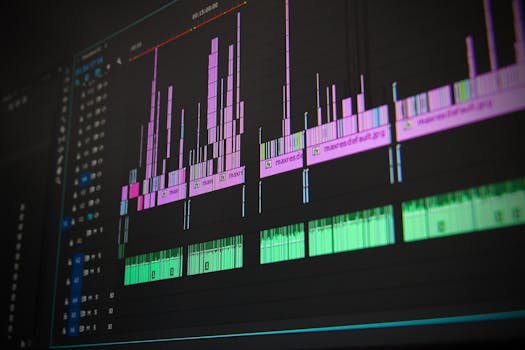
A professional voiceover isn’t only about recording clean audio. It’s also about what happens after recording.
Professional editing can include:
- Removing distracting breaths or mouth noise
- Cleaning up unwanted sounds
- Balancing tonal consistency
- Adjusting pacing for better flow
- Loudness normalization for delivery standards
This matters because many clients want audio that is ready to drop into production. Because I not only record in a professional studio environment but also edit audio, clients receive files that are polished, consistent, and prepared for immediate use.
That can save significant production time. Especially for healthcare narration, eLearning, corporate voiceover, and long-form content.
Can Voiceover Be Recorded at Home Professionally?
Yes. If the home studio meets professional standards, then absolutely!
Today, many experienced voice actors record from home. The difference is whether the space is built for professional use.
A true professional home studio should provide:
- Acoustic treatment
- Low ambient noise
- Broadcast-quality recording equipment
- Clean post-production workflow
- Reliable file delivery
The location matters far less than the results.
What Clients Should Look for When Hiring Voice Talent
If you’re hiring voice talent, asking about voiceover studio specs is smart.
Look for:
- A professionally treated recording environment
- Clean, noise-free audio samples
- Consistent recording quality
- Broadcast-ready delivery
- Editing capability
- Proper file formatting based on your production needs
These details matter even more if your content is educational, instructional, medical, or long-form.

Why Professional Voiceover Studio Specs Matter for Your Project
When studio quality is strong, everyone benefits.
You get:
- Better listener comprehension
- More professional brand presentation
- Cleaner audio for editors
- Faster production workflow
- Ready-to-use files
Strong voiceover studio specs are not just a technical advantage, they are a communication advantage.
My Approach to Professional Voiceover Delivery
Every project I record is produced with clarity, consistency, and usability in mind. My studio is built for clean, professional voice capture, and I also provide audio editing so files arrive polished and ready for production.
That matters especially for clients who need dependable audio for:
- Healthcare narration
- eLearning modules
- Medical voiceover
- Corporate training
- Explainer videos
- Long-form narration
If you need clear, broadcast-quality voiceover with professional studio standards, that is exactly how I work.
Frequently Asked Questions About Voiceover Studio Specs
What are voiceover studio specs?
Voiceover studio specs refer to the technical recording standards of the environment, equipment, and editing process used to create professional-quality voiceover audio.
What is considered broadcast-quality voiceover?
Broadcast-quality voiceover is clean, low-noise audio with consistent levels, no distracting room sound, and professional editing suitable for commercial or professional production use.
Why do voiceover studio specs matter?
Studio specs affect clarity, listener comprehension, editing efficiency, and the overall professionalism of the final product.
Do professional voice actors edit audio too?
Many voice actors handle basic cleanup, but I manage both recording and full audio editing in-house. With experience in audiobook production and radio imaging, I ensure every file is delivered clean, consistent, and broadcast-ready without relying on external post-production.
Final Thoughts for Broadcast Quality Voiceover
A great voice and someone who can interpret copy matters, but when you’re hiring voice talent for professional projects, voiceover studio specs matter just as much.
Especially in healthcare, education, eLearning, and corporate communication, clarity affects comprehension. And when the recording is clean from the start, everyone downstream benefits.
Professional studio quality means your message sounds clear, credible, and ready to use. If broadcast-quality audio matters to your project, I’d love to hear what you’re creating. Reach out and let’s talk about how I can help.