
There’s something different about stepping away from your normal routine and spending several days completely immersed in your craft.
Actors spend so much time auditioning, self-taping, marketing themselves, taking classes, networking, updating websites, and trying to figure out where the next opportunity is coming from that it can be easy to forget why we started acting in the first place.

We’re supposed to play and explore. We’re supposed to tell stories. And sometimes, we need a place where we can step away from all the noise and remember that. That was one of the ideas behind The Bright Stars Greenroom.
Looking back at one of our acting retreats, I realized how many lessons came out of that experience. Yes, we worked on acting technique. Yes, we talked about branding and the business side of the industry. And yes, we actually stepped onto a professional film set and created a short film together.
But some of the most valuable lessons had very little to do with memorizing lines. They were about creativity, confidence, taking care of yourself, understanding your business, and learning how to show up as the whole person behind the performer.
Here are seven acting retreat lessons that have stayed with me.
1. Give Yourself Permission to Play
One of the things I love about acting is that it gives us permission to explore parts of ourselves that everyday life doesn’t always make room for. But somewhere along the way, actors can become very focused on getting things “right.”
- Am I making the right choice?
- Was that audition good enough?
- Did I make the right career move?
- What does casting think of me?
- Am I doing enough?
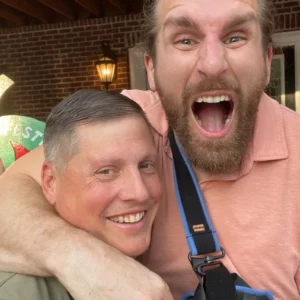
All of that thinking can get in the way of actually performing, and during the first acting retreat, our improv teacher Richard Paul helped us reconnect with something incredibly important: freedom.
Through improv exercises, we were encouraged to let go of judgment and respond honestly in the moment. That kind of freedom can be incredibly useful for actors.
You don’t always need another technique. Sometimes you need permission to stop overthinking and actually play!
Try this:
Give yourself ten minutes with no goal.
Improvise. Journal. Make up a character. Move around your space. Read something completely differently than you normally would.
Don’t worry about whether it’s good.
The point is to create without immediately judging what you’ve created.
That freedom can lead you somewhere your analytical brain never would have taken you.
2. Stop “Performing” the Script and Start Living It
A script isn’t a collection of words you’re supposed to say correctly. It’s a moment in a story.
Actor Michael Antonakos helped us look at our scenes from that perspective. Instead of becoming overly focused on line delivery, we worked on understanding what was actually happening underneath the words.
- What does the character want?
- What’s standing in the way?
- What are the stakes?
- Who matters to this character?
- And perhaps most importantly, what is happening right now?
Those questions can completely change the way an actor approaches a scene.
I’ve found this applies to voiceover, too. Whether I’m recording a commercial, narration, animation, or a video game character, I’m not simply trying to “say the lines.” I’m communicating something where the words are the vehicle. The intention is what makes them come alive.
Try this:
Give yourself ten minutes with no goal.
Improvise. Journal. Make up a character. Move around your space. Read something completely differently than you normally would.
Don’t worry about whether it’s good.
The point is to create without immediately judging what you’ve created.
That freedom can lead you somewhere your analytical brain never would have taken you.

3. Your Body Is Part of Your Instrument
Actors often talk about protecting their voices, but our entire bodies are part of the instrument. Breath, posture, movement, tension, energy, and recovery can all affect how we perform.
During the retreat, Clare Lopez helped us explore the importance of breath and taking care of ourselves, while Greta Reynolds brought attention to another part of protecting the asset: our finances and the business side of being a working actor.
That combination really hit hard for me. Being a professional actor isn’t just about what happens when someone yells “Action!” It’s also about being able to sustain yourself through the reality of a creative career.
Sometimes protecting your instrument means resting. Sometimes it means learning how to manage your money, and other times it simply means recognizing that you’re exhausted and giving yourself permission to recover.
And it also means getting better at the business side so you’re not constantly operating from panic!

Try this:
Start treating recovery as part of your training.
Rest. Breathe. Move your body. Learn about your finances. Track your business expenses.
Taking care of yourself isn’t separate from being a professional actor. It’s part of it.
4. Your Website Is More Than a Digital Business Card
One of my favorite lessons from the retreat had nothing to do with acting technique. It was about having a home for your career.
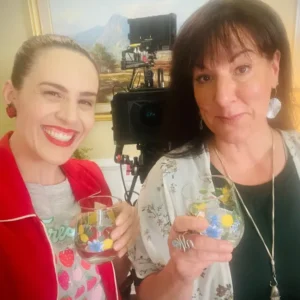
Erik Deckers, who also worked on our short film Double Booked, talked about the importance of having your own website and building a personal brand that people can actually find.
Josie Raines took that conversation into the world of SEO and digital visibility.
This is something I think actors sometimes underestimate. Your website isn’t just a place to put a headshot and resume. It’s an opportunity to tell people who you are before they ever meet you.
For an actor, that can include your headshots, reel, credits, special skills, voiceover work, performance capture experience, contact information, and the kinds of projects you’re interested in.
It should make it easier for the right people to understand what you bring to a project. And yes, I’m especially passionate about this one because I’m currently spending a lot of time improving my own website and learning more about SEO. It’s a process, but it’s worth it.
Try this:
Go to your website as if you’ve never seen it before.
Give yourself 30 seconds.
Can you tell:
- Who you are?
- What you do?
- What makes you different?
- What kind of projects you want?
- How someone can contact you?
If the answer isn’t obvious, that’s a great place to start
5. You Don’t Have to Beg to Be Remembered
Actors are constantly putting themselves out there:
- Auditions.
- Networking.
- Agent submissions.
- Casting platforms.
- Emails.
- Social media.
All of that can be exhausting. And when you’re really hoping for an opportunity, it’s easy to slip into the mindset of trying to convince someone to choose you.
Peggy Sheffield and Traci Danielle reminded us of something much more useful: learn how to advocate for yourself without desperately trying to prove your worth.
- Know what you bring to the table.
- Know your strengths.
- Understand your type.
- Understand what makes you memorable.
And then let that information work for you.
This is something I’ve had to learn myself. You don’t need to be everything for everyone. You need to become very good at communicating who you are and what you do well!

Try this:
Go to your website as if you’ve never seen it before.
Give yourself 30 seconds.
Can you tell:
- Who you are?
- What you do?
- What makes you different?
- What kind of projects you want?
- How someone can contact you?
If the answer isn’t obvious, that’s a great place to start
6. Prepare Your Mind Before You Prepare Your Performance
One of the most meaningful parts of the retreat for me was the time we spent slowing down.
Toni Deckers led us through a private sound healing session that gave everyone an opportunity to step away from the constant mental noise and reconnect with themselves.
For me, that reinforced something I already believe strongly: Preparation isn’t always about doing more… Sometimes preparation means becoming present.
As performers, we can walk into auditions, rehearsals, or sets carrying everything else with us.
- The last rejection.
- The stressful email.
- The bills.
- The comparison.
- The fear that we’re not good enough.
But the performance in front of us doesn’t know about any of that. Learning how to ground yourself can help you arrive in the room as the performer who is actually there.
Try this:
Before an audition, rehearsal, recording session, or performance, give yourself five quiet minutes.
Put the phone down.
Take a few slow breaths.
Notice where you’re holding tension.
Let your attention come back into your body.
You don’t need to become a completely different person before you perform.
You just need to actually arrive.

7. Create Something Instead of Waiting for Permission
This may be the biggest lesson I took away from the entire experience. We didn’t just talk about acting, we made something.
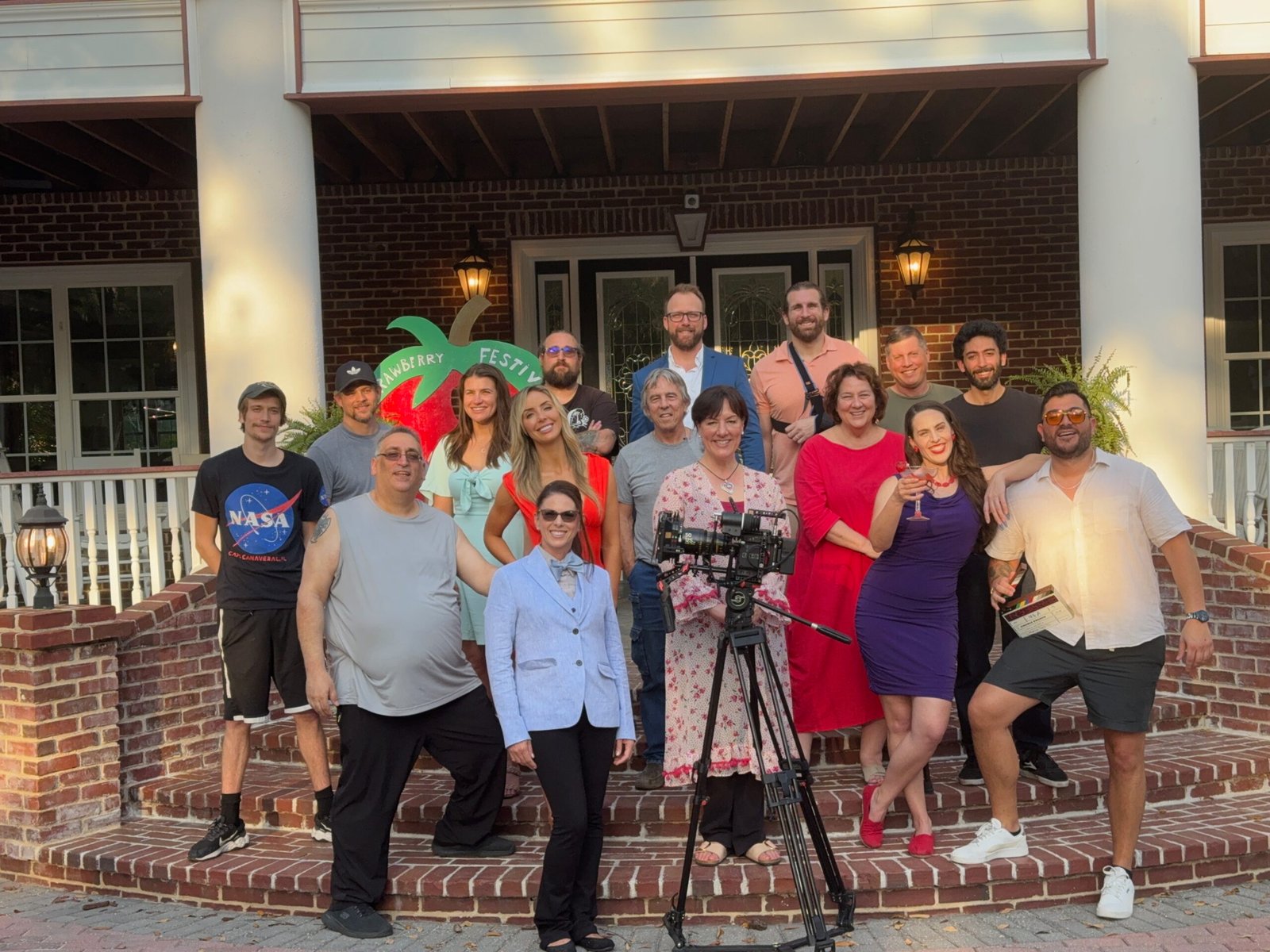
During the retreat, our group filmed Double Booked, a short comedy that brought everyone together on a professional set. We worked with RED cameras, experienced filmmakers, and two full days of production.
And suddenly, everything we’d been talking about in workshops became real.
- We had to show up.
- We had to collaborate.
- We had to listen.
- We had to adapt.
- We had to perform.
- We had to be part of a team.
And that experience reminded me why I love creating in the first place. You can spend years waiting for someone to give you the perfect opportunity. Or you can start creating your own!
- Sometimes that means making a short film.
- Sometimes it’s creating a web series.
- Sometimes it’s writing a scene with friends.
- Sometimes it’s starting a podcast.
- Sometimes it’s building a voiceover demo, creating content, or developing a character you’ve always wanted to play.
You don’t need permission to be creative, you just need to start!
What an Acting Retreat Can Really Give You
When people hear the words “acting retreat,” they might imagine a few days of classes and workshops. And yes, training is a big part of it… But I think the best acting retreats offer something more.
They give you time away from the normal noise of your career. They put you around people who understand the strange, wonderful, frustrating experience of being a performer. They give you opportunities to try things without the pressure of a traditional audition, and they can remind you that you’re a person before you’re a performer.
That was one of the things I wanted The Bright Stars Greenroom to create. A place where actors could train, experiment, connect, rest, laugh, make things, and remember why they love what they do.
Because your career matters and your craft matters, but so do you.
The Experience Doesn’t Have to End When the Retreat Does
One of my favorite parts of a creative retreat is watching what happens afterward.
- Someone walks into the room uncertain and leaves with a new idea.
- Someone discovers a skill they didn’t realize they had.
- Someone makes a connection that turns into a collaboration.
- Someone finally decides to create the project they’ve been talking about for years.
- And sometimes, someone simply remembers that they actually love acting.
- That’s enough!
The goal isn’t to leave a retreat with your entire career figured out. The goal is to leave with something you didn’t have when you arrived!
Maybe that’s confidence or a new skill. Maybe it’s a connection or even a fresh perspective. But maybe it’s simply just the reminder that you still want this.
Looking Back at Double Booked
I’m especially grateful that our retreat gave us the chance to create Double Booked together. There is something incredibly satisfying about watching an idea go from a conversation, to a script, to rehearsals, to an actual film set.
Everyone brought something different to the project, and that’s what I love about collaborative storytelling. You don’t need everyone to have the same skills. You need everyone to bring what they have.
And that’s true of acting careers, too. Your career doesn’t have to look like someone else’s. Your combination of skills, experiences, interests, and weird little passions might actually be the thing that makes you stand out.
I’ve built my own career across voiceover, acting, underwater performance, photography, and performance capture. Those things might look unrelated on paper. In fact, it might even confuse some people…
But to me and the people I create with, they’re all part of the same creative life.

That’s a Wrap
If there’s one thing I hope you take from these acting retreat lessons, it’s this:
- You don’t have to wait until you feel ready to invest in yourself.
- Take the class.
- Write the script.
- Make the short film.
- Update the website.
- Reach out to the collaborator.
- Try the weird idea.
- Rest when you need to rest.
- And find people who remind you why you started creating in the first place.
An acting career isn’t built in one workshop, one audition, or one perfect opportunity… It’s built through the choices you make over and over again.
And sometimes, the most important choice is simply giving yourself the space to step away, breathe, learn, play, and come back to your work with fresh eyes. That’s what I wanted The Bright Stars Greenroom to be.
Not just another acting class. Not just another retreat. But a place where creatives can recharge, grow, connect, and play again.
And honestly? I think we all need a little more of that!