
When people hear the phrase home studio, they often imagine a microphone sitting on a desk in a spare room. In reality however, creating broadcast quality voice over involves much more than purchasing a microphone and pressing record.
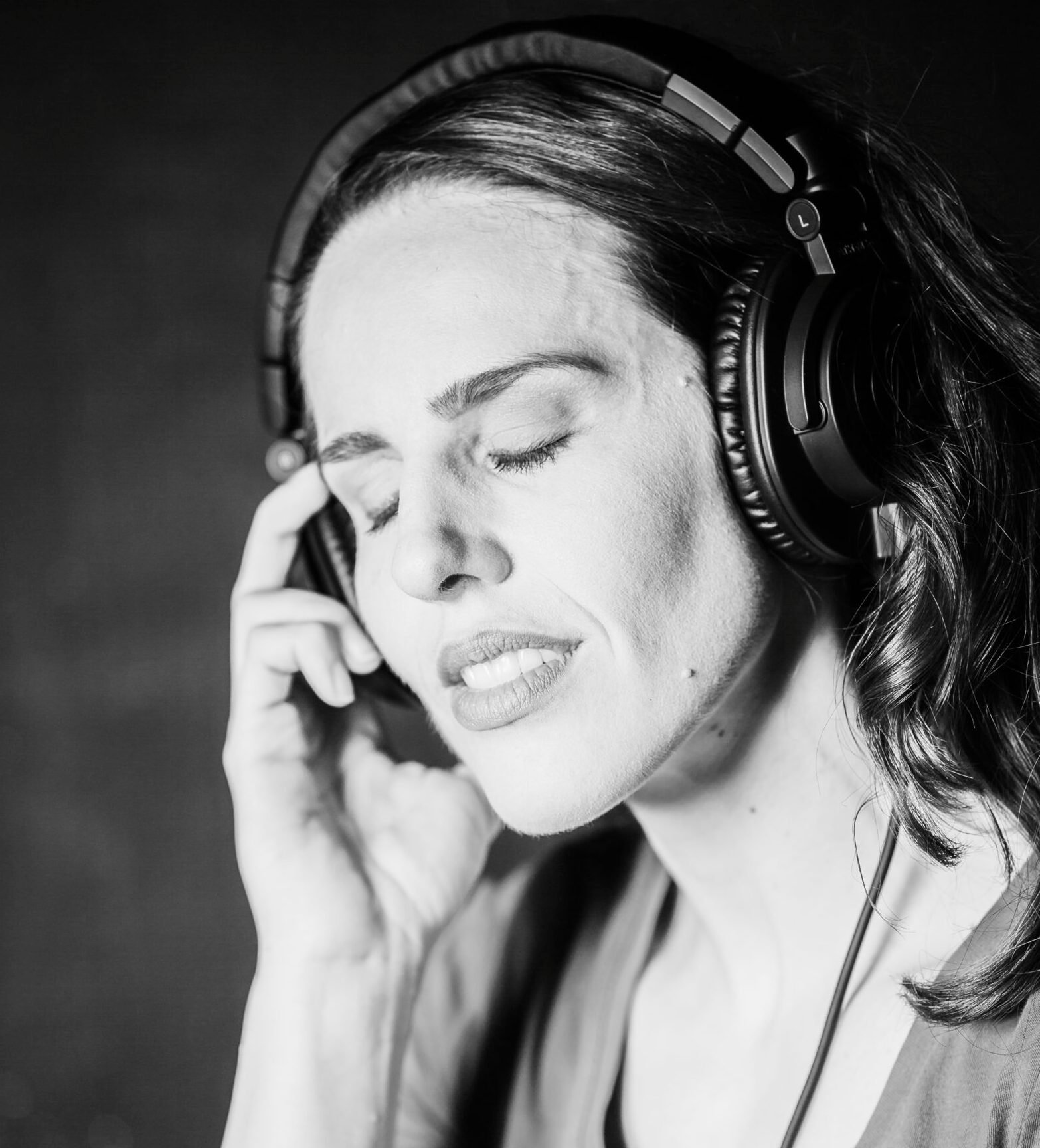
Professional voice actors today can deliver audio quality that rivals traditional studios while working remotely from highly optimized recording spaces. Technology has seriously transformed the voice over industry, and this allows clients around the world to receive clean, professional audio without sacrificing quality or consistency. It’s pretty incredible!
Behind every polished recording is a combination of performance, equipment, acoustic treatment, and workflow. A professional setup is not simply about gear. It is about creating an environment where every part of the process supports the final sound.
Why Broadcast Quality Voice Over Matters
Audio quality shapes audience perception in ways people often do not consciously recognize. Listeners may not immediately identify background noise or subtle room reflections, but they notice when something feels distracting or unprofessional. Sound quality influences how audiences experience a message and how they perceive the credibility of a brand.
Professional audio creates a smoother listening experience by helping audiences focus on the content rather than the recording itself. A strong broadcast quality voice over can help:
- build trust with listeners
- strengthen the overall message being delivered
- improve audience engagement
- elevate production value
- create a more professional experience
For businesses investing in professional communication, audio quality matters.
The Foundation of a Professional Home Studio
Many people assume expensive equipment automatically creates great audio. But believe it or not, the room itself often plays an even larger role in producing clean audio.
A professional home studio is designed to control how sound behaves inside the recording space.
Recording Environment
Hard walls and reflective surfaces create sound reflections that bounce around a room and affect recording quality. Professional recording environments are carefully designed to reduce distractions and create a more controlled sound.
A properly treated recording space creates cleaner audio before editing even begins.
Acoustic Treatment
Another common misconception is confusing soundproofing with acoustic treatment. Soundproofing focuses on reducing outside noise entering a room.
Acoustic treatment however, focuses on improving the sound within the room itself.
Professional recording spaces often include:
- acoustic panels
- absorption materials
- treated walls
- controlled recording spaces
- sound isolation techniques
Without these elements, even expensive equipment can struggle to create broadcast quality voice over.
The Equipment Behind Broadcast Quality Voice Over
Equipment supports performance and helps preserve recording quality throughout the process.
Microphones
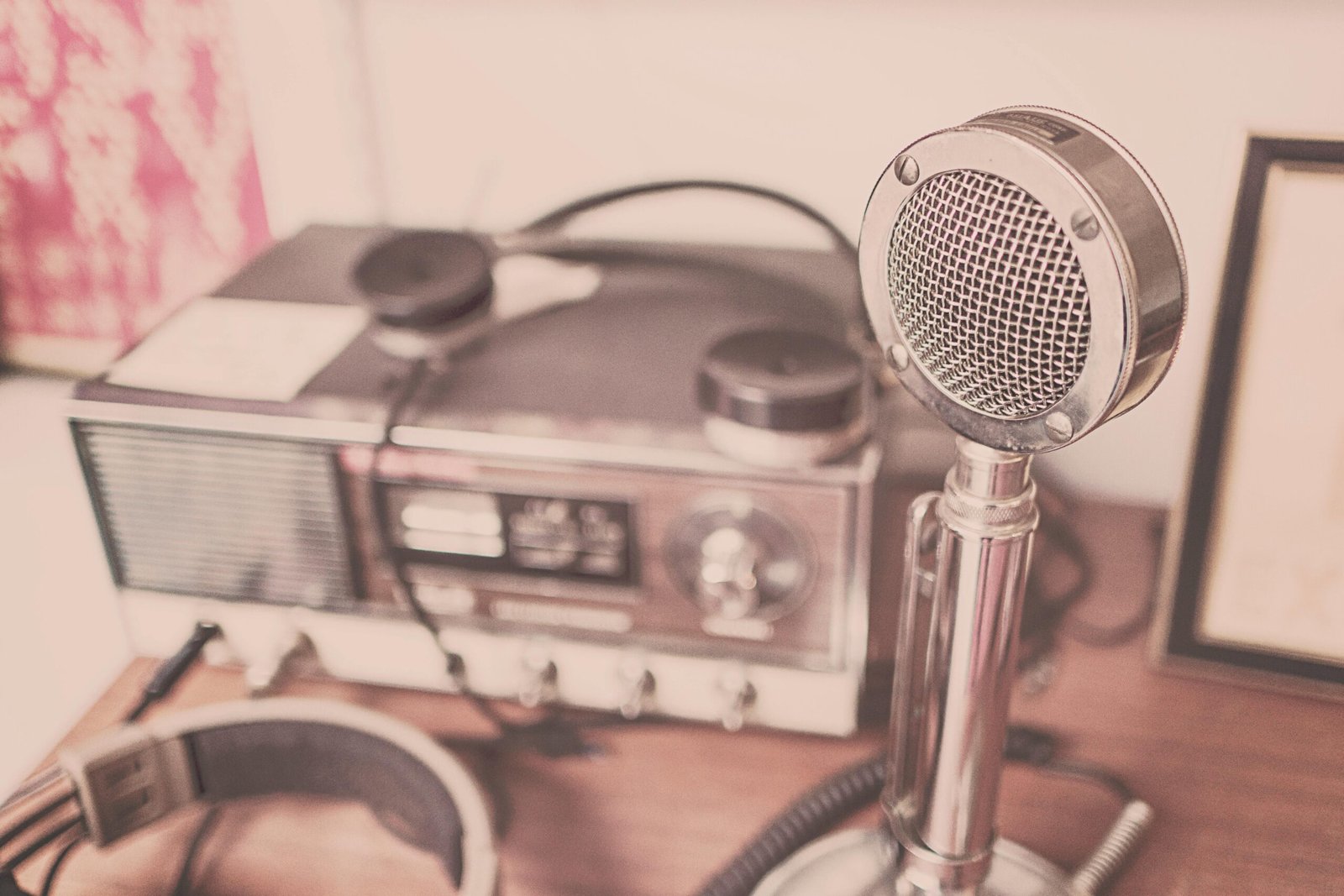
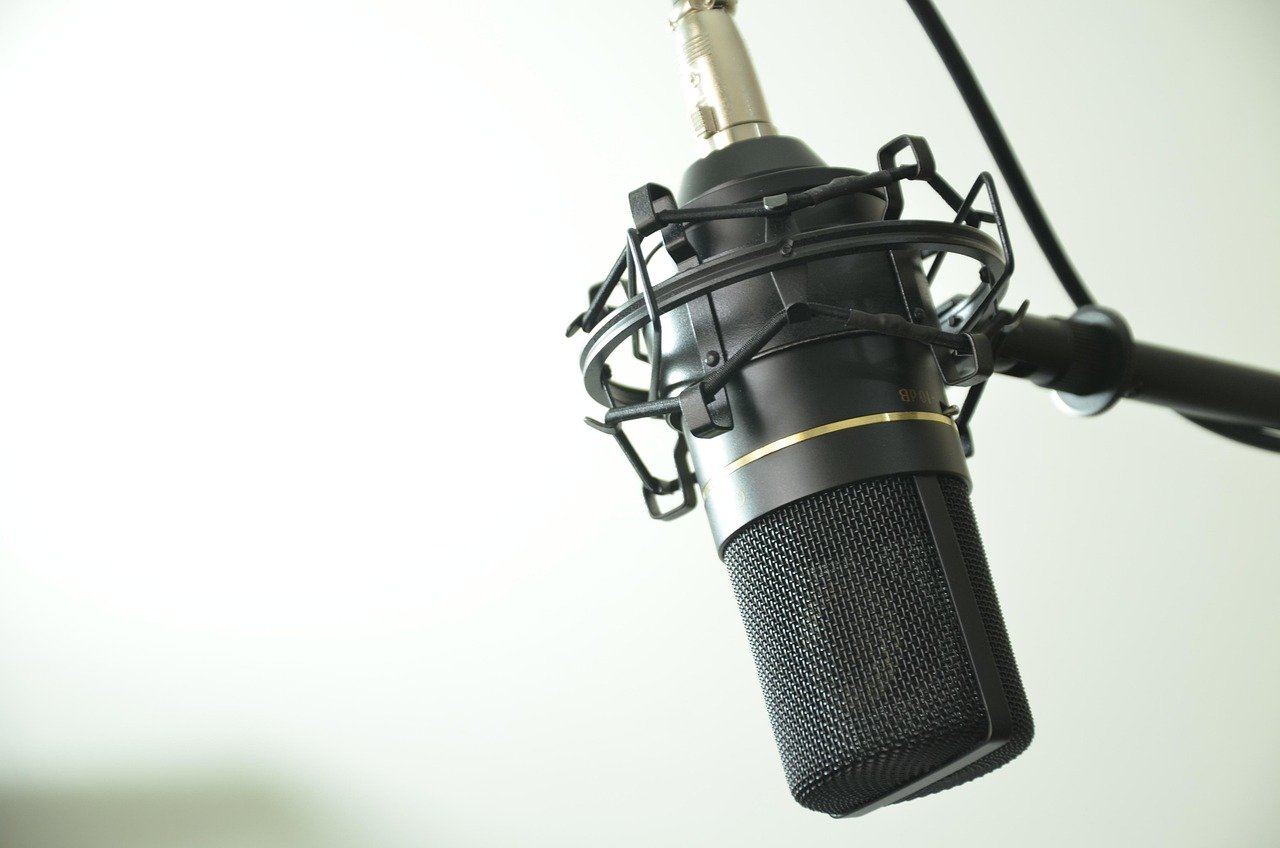
Microphones capture the details and personality of a voice. Different microphones create different tonal qualities and react differently depending on vocal characteristics.
For commercial voice over recording, the goal is not simply choosing expensive equipment. The goal is choosing equipment that complements the voice naturally.
Audio Interfaces
Once sound is captured by a microphone, an audio interface converts it into a digital signal.
Professional recording chains help preserve:
- clarity
- consistency
- clean signal quality
- reduced background noise
Small details throughout the recording chain can create noticeable differences in the final product.
Monitoring Equipment
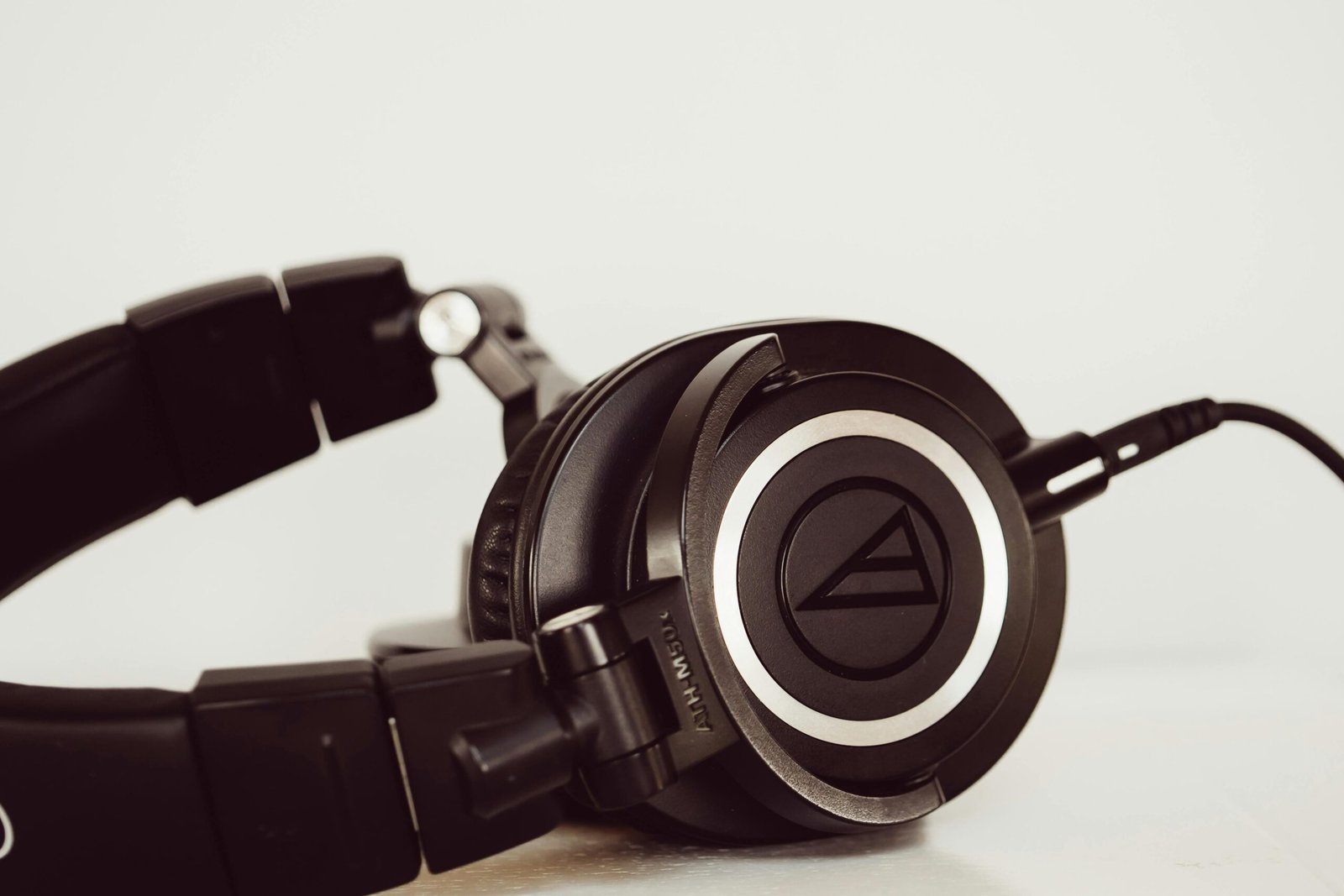
Headphones and monitoring equipment allow voice actors to identify subtle issues that may otherwise go unnoticed when recording or listening to the audio playback. Professional monitoring helps ensure recordings remain consistent and production ready.
Why Performance Matters as Much as Equipment
Even the best equipment cannot replace human connection. Technology supports the process, but performance brings recordings to life.
I’m sure you’ve hear that voiceover involves much more than reading words. It requires interpretation, emotion, pacing, and authenticity. This is so true. Many voice talents like myself will continually study the craft and make sure they are finding different ways to keep connecting with your audience through the script.
Strong broadcast quality voice over combines technical excellence with engaging communication, and listeners will always respond to emotional connection far more than equipment specifications.
How Remote Recording Changed the Voice Over Industry
Remote technology has transformed how voice over projects are created and delivered. Professional studios can now work with clients across different locations while maintaining industry standards. I have been able to connect with clients in Germany, Mexico, England and Switzerland, to name a few.
Faster Collaboration
Remote workflows allow projects to move efficiently while reducing scheduling limitations.
Live Directed Sessions
Many professional voice actors support live directed sessions using tools such as Source-Connect, allowing clients to participate during sessions while maintaining professional audio quality.
Professional Workflow From Anywhere
Modern remote voice over recording gives clients flexibility without sacrificing quality, and that is a beautiful thing. Professional standards continue evolving, but remote collaboration remains an important part of the industry!
The Difference Between Recording Audio and Broadcast Quality Voice Over
Recording audio and creating broadcast quality voice over are not the same thing.
Professional work often involves:
- room treatment
- equipment quality
- editing
- performance consistency
- technical workflow
- production standards
Professional clients often need audio that arrives ready for production with minimal additional editing.
Industry expectations continue growing, and professional resources such as the GVAA Rate Guide help establish standards within the voice over industry.
Behind Every Great Recording Is a Complete System
A voice over recording studio is much more than a microphone sitting inside a room. It is a complete system designed to create consistent, reliable, professional sound.
The room, equipment, performance and workflow all matters when recording voiceovers. When all of these elements work together, the result is audio that sounds polished, natural, and ready for professional use.
Ready to Hear Broadcast Quality Voice Over in Action?
Professional equipment supports the process, but performance brings the message to life. Explore my professional voice over services and hear how broadcast quality audio and authentic delivery work together to create stronger audience connection.