Getting a new modeling opportunity can be really exciting! Someone likes your work. A photographer or client reaches out. You start talking about the project, and suddenly you’re looking at a date on the calendar and thinking, “This could be fun!”
But before you say yes, there are a few things worth slowing down for. Now it is time to start asking yourself some very important questions:
Who are you working with? What exactly are you being hired to do? Where will the images or video be used? What are you being paid? Who will be at the shoot?
And perhaps most importantly: What are you actually agreeing to?
That’s where freelance model contracts come in.
A modeling contract isn’t just paperwork you sign and forget about. It helps establish what you and the client, photographer, agency, or production company have agreed to before you show up.
But protecting yourself as a freelance model goes beyond contracts.
Vetting the people you work with, understanding image usage, communicating your boundaries, keeping records, and having a simple safety plan are all part of working professionally.
I’ve worked in modeling and performance long enough to know that a good opportunity shouldn’t require you to ignore your instincts or give up your boundaries.
So let’s talk about what to look for before accepting your next freelance modeling job, including what to watch for in freelance model contracts.
1. Before You Accept the Job, Get the Details
Before you even get to the contract, make sure you understand what you’re being hired to do. This might sound obvious, but creative projects can sometimes start with a very casual conversation:
Them: “Would you be interested in shooting with us?” You: “Sure!”
And then suddenly you’re trying to figure out what “shooting with us” actually means. Ask questions!
At the very least, you should know:
- Who is hiring you?
- What is the purpose of the shoot?
- Where will it take place?
- What date and hours are expected?
- Who else will be there?
- What wardrobe or styling is expected?
- What types of poses or performance are involved?
- How much are you being paid?
- When and how will you be paid?
- Where will the final images or video be used?
Not every modeling job will look the same either. You might work directly with a photographer, a small business, a production company, a creative agency, a filmmaker, or a brand.
That’s okay! The important thing is knowing what you’re agreeing to before you agree to it. A written agreement can then turn those conversations into something everyone can refer back to.
2. Read Your Freelance Model Contract Before You Sign
This is where freelance model contracts become especially important. Don’t sign a contract just because someone says, “It’s standard.”
Maybe it is, but maybe it isn’t. So please read it!
If something doesn’t make sense, ask questions. And if you’re dealing with significant rights, complicated terms, or something you aren’t comfortable interpreting yourself, consider getting legal advice before signing.
A good freelance model contract should make the important parts of the working relationship easier to understand.
Payment Terms
Your contract should also make the payment arrangement clear.
Look for:
- Your modeling rate
- When you will be paid
- How you will be paid
- Any deposit or upfront payment
- Expense reimbursement
- Additional fees
- Cancellation or rescheduling terms
Don’t assume everyone handles payment the same way. If something matters to you, get it in writing.
Image Usage Rights
This is one of the most important parts of freelance model contracts.
Ask yourself: Where will these images or videos actually be used?
For example:
- Social media
- Websites
- Digital advertising
- Print advertising
- Packaging
- Television
- Billboards
- Editorial publications
- Internal corporate materials
- Promotional materials
Then look at how long the client can use them and where they can use them.
A contract that allows a client to use your image for a specific campaign for one year is very different from an agreement granting broad, perpetual rights.
Don’t just look at the amount you’re being paid. Look at what you’re giving the client permission to do with your image in return.
Exclusivity
Some freelance model contracts may include an exclusivity clause that limits who you can work with in the future.
If you see one, find out:
- Who is considered a competitor
- How long the restriction lasts
- What type of work is restricted
- Whether it applies to a specific geographic area or market
Exclusivity can affect future opportunities, so it’s also worth understanding before you sign.
Cancellation and Rescheduling
Things happen… A client may need to reschedule, a photographer may have an emergency, or you may become sick or have another legitimate reason you can’t make the shoot.
Your agreement should explain what happens if the original plans change. It’s much easier to discuss cancellation terms before something goes wrong.
3. Understand Model Releases and Image Rights
You may also be asked to sign a model release. A model release generally gives a client or other party permission to use your likeness in specified ways. The exact language matters, so don’t assume every model release means the same thing.
Read it and pay attention to language about:
- Where the images may be used
- How long they may be used
- Commercial versus editorial use
- Retouching or modifications
- Use of your name
- Exclusive rights
- Perpetual rights
- Whether the rights can be transferred or licensed
This is another reason to take your time with freelance model contracts and related documents. If you’re uncomfortable with a particular use of your image, bring it up before you sign.
And remember: a photo being used in a photographer’s portfolio isn’t necessarily the same thing as a brand using that photo in paid advertising. The intended use really does matter.
4. Vet the Photographer or Client
A contract can help clarify the business relationship, but you should also know who you’re working with. Take a little time to research the photographer, client, agency, or company.
Look at:
- Their website
- Professional social media accounts
- Portfolio
- Previous work
- Client history
- Reviews or references when available
- Other models they’ve worked with
If you’re considering working with a photographer for the first time, look at their portfolio carefully.
Does the work match what they’ve described to you? Does the style make sense for the project? You can also talk to other models who have worked with them!
You might ask if the photographer:
- Did they communicate clearly?
- Did the shoot match what you were told beforehand?
- Were your boundaries respected?
- Were you paid as agreed?
- Would you work with them again?
You don’t need to conduct a full investigation every time someone contacts you, but if you’re being asked to work with someone you’ve never met, a little research can go a long way.
And if you’re working in a more specialized area of modeling, take the time to understand the environment you’re entering.
For example, my own underwater modeling experience has taught me that specialized shoots can require an entirely different level of preparation, communication, and attention to safety.
5. Watch for Modeling Job Scams and Red Flags
Unfortunately, not every modeling opportunity is what it appears to be… Some situations may be obvious scams. Others may simply involve a client or photographer who isn’t someone you want to work with.
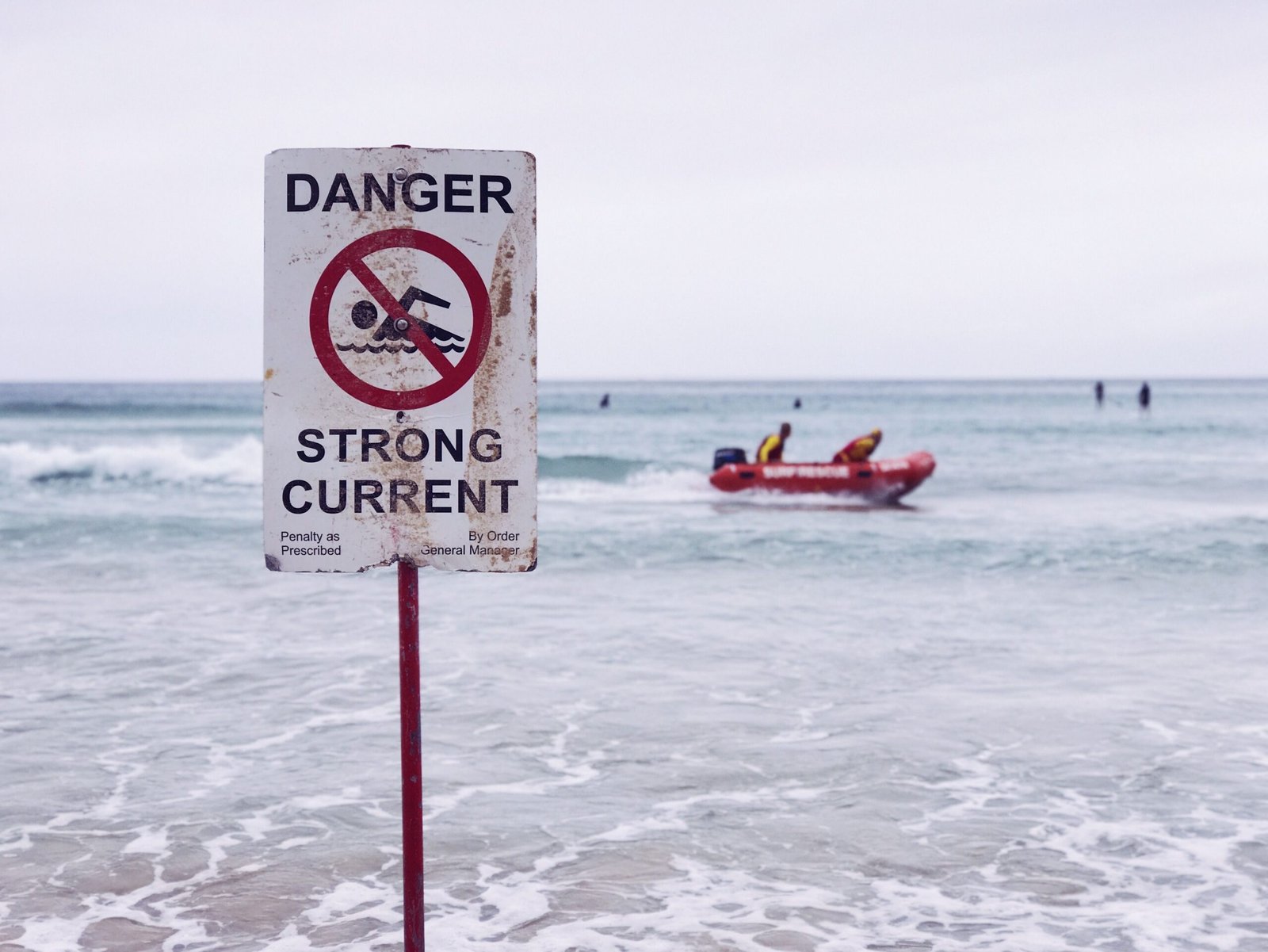
The Federal Trade Commission specifically warns about modeling scams involving upfront payments, guaranteed work, pressure to sign contracts quickly, requests to use specific photographers, and other warning signs. (This also happened to me when I first started modeling.)
Pay attention if someone:
- Is extremely vague about the project
- Won’t tell you where the shoot will take place
- Won’t tell you who will be there
- Changes the assignment after you’ve agreed to it
- Pressures you to sign immediately
- Gets angry when you ask reasonable questions
- Pushes you toward poses or wardrobe you did not agree to
- Requests unnecessary sensitive information
- Asks you to pay unusual fees before you can work
- Sends you a check and asks you to send part of the money somewhere else
- Insists on meeting privately without a reasonable explanation
- Discourages you from telling someone where you’re going
The fake-check situation deserves special attention. If someone sends you a check for more than you’re owed and asks you to send part of the money somewhere else, the FTC identifies that as a common fake-check scam. Even if the funds initially appear in your account, the check can later be determined to be fraudulent.
One unusual detail doesn’t automatically mean someone is dangerous or that a job is a scam. So be sure to look at the whole picture.
And if several things don’t add up, don’t ignore that feeling just because you don’t want to lose the opportunity.
6. Set Your Modeling Boundaries Before the Shoot
Your boundaries shouldn’t be something you have to figure out while you’re standing in front of the camera.
Talk about expectations ahead of time. Depending on the project, that might include:
- Wardrobe
- Hair and makeup
- Swimwear
- Implied nudity
- Physical contact
- Poses
- Touching
- Locations
- Heights
- Water
- Animals
- Special effects
- Props
- Changing areas
- Who will be present
If you have a hard boundary, communicate it clearly. And if something changes once you’re on set, you’re allowed to speak up.
For example, if you agreed to a particular wardrobe and the client suddenly asks for something substantially different, you can stop and ask what changed. If the requested work goes beyond what you agreed to, you can decide not to proceed.
Being professional doesn’t mean saying yes to everything. It means understanding the job, communicating clearly, and knowing where your limits are.
Whenever appropriate, make sure important boundaries are reflected in your freelance model contract or other written agreement.
7. Have a Simple Safety Plan
You don’t need to turn every photoshoot into a complicated operation. A few simple habits can make a difference!
Before you leave, make sure someone you trust knows:
- Where you’re going
- Who you’re working with
- The expected start and end time
- The location
- How to contact the person you’re meeting
For an unfamiliar shoot, share the photographer’s or client’s contact information as well. Keep your phone charged, and know how you’re getting to the location and how you’re getting home.
If you’re meeting someone you’ve never worked with before, consider meeting in a public place first when practical. And if you arrive somewhere and the circumstances are significantly different from what you were told, stop and reassess.
This is especially important for shoots involving water, heights, animals, special effects, remote locations, or other unusual environments.
My own experience with underwater performance and underwater modeling has made me especially aware of how important communication and preparation can be when a shoot involves an environment that adds another layer of risk.
8. What If You Don’t Feel Comfortable?
This can be one of the hardest parts of freelance modeling. Sometimes nothing is obviously wrong, but something feels off.
Maybe the communication suddenly changes or someone becomes pushy.
Maybe the location isn’t what you expected, or your boundaries are being testing although you already made them clear.
Or maybe you simply don’t feel comfortable being there. You don’t have to convince yourself that your discomfort is unreasonable.
You can:
- Ask questions
- Pause the shoot
- Call someone you trust
- Leave
- Decline the job
- Decide not to work with that person again
You don’t have to prove that someone is a bad person before deciding that a project isn’t right for you. Sometimes the right decision is simply: This isn’t for me.
I’ve experienced sexual harassment myself, and I know how easily situations like that can make you question whether you’re overreacting or somehow responsible for what happened. You’re not required to ignore your discomfort just because an opportunity looks good on paper.
Your safety matters and always comes first!
9. Keep Your Records
Once you’ve accepted a modeling job, keep copies of your important communication.
Save:
- Freelance model contracts
- Model releases
- Emails
- Text messages
- Payment agreements
- Invoices
- Location information
- Changes to the original agreement
If something changes, try to confirm it in writing.
For example:
“Just confirming that the shoot has moved to Tuesday at 2 PM and the agreed usage is social media and website use for 12 months.”
It doesn’t have to be complicated. A simple written record can prevent a lot of confusion later.
The FTC also recommends getting important promises in writing and keeping copies of contracts and other important documents when dealing with potential modeling scams.
10. Know When to Walk Away
Remember that there will always be another opportunity, and it is ok to turn down something if it doesn’t feel right for you.
Consider stepping back if:
- Your reasonable questions aren’t being answered
- The agreement keeps changing
- Your boundaries are dismissed
- You’re pressured to sign something you don’t understand
- The location changes without a reasonable explanation
- The requested work is substantially different from what you agreed to
- Payment terms become unclear
- You’re pressured into something you did not consent to
- You don’t feel safe
Walking away from a job doesn’t mean you’re failing as a model. Sometimes it means you’re treating your career like a business.
And that’s exactly what freelance modeling is – a business!
Freelance Model Contracts: A Pre-Shoot Checklist
Before accepting your next modeling job, save this checklist.
The Job
- I know who is hiring me.
- I know exactly what I am being hired to do.
- I know where the shoot will take place.
- I know who will be there.
- I understand the wardrobe, poses, and expectations.
The Contract
- I know my rate.
- I understand the payment schedule.
- I understand cancellation and rescheduling terms.
- I understand the image usage rights.
- I understand the duration and territory of usage.
- I understand any exclusivity.
- I have reviewed the model release.
- I have asked about anything I don’t understand.
My Boundaries
- I have clearly communicated my limits.
- I know what I am and am not comfortable doing.
- Important boundaries are reflected in writing where appropriate.
- I know who will be present on set.
My Safety
- Someone I trust knows where I will be.
- I have the location and contact information.
- My phone is charged.
- I have a plan for getting home.
- I know what I will do if something changes.
Freelance Modeling Should Still Feel Professional
Freelance modeling can be creative, exciting, and a lot of fun. However, you’re still running a business. And that means:
- Asking questions.
- Reading freelance model contracts.
- Understanding how your image will be used.
- Knowing who you’re working with.
- Communicating your boundaries.
- Keeping records.
- And paying attention when something doesn’t feel right.
You don’t have to be difficult to be professional. You can be kind, collaborative, excited about a project, and still protect yourself. It took me a long time to learn this, and I hope it helps you on your modeling journey.
The right clients and creative partners should be able to have a professional conversation about expectations. And if you need more time to review a freelance model contract, take it.
Your image, your time, your work, and your boundaries all have value.
Helpful Resources for Freelance Models
Laws and contract requirements vary depending on where you live and the type of work you’re doing. These resources can help you learn more, but they aren’t a substitute for legal advice about your specific situation.
Model Alliance: Information for models and fashion workers, including modeling scams, contracts, safety, and workplace issues.
Federal Trade Commission: The FTC’s Modeling Scams guide explains common modeling-scam warning signs and steps you can take to research an opportunity.
New York State Department of Labor: The New York State Fashion Workers Act provides information about specific protections and requirements for covered fashion workers in New York. The law took effect in stages beginning June 19, 2025, with additional registration requirements beginning December 21, 2025.
If you’re working in another state or country, look for the laws and worker protections that apply where you live and where the work is taking place.
This article is for general informational purposes only and is not legal advice. Contract terms and legal protections vary by location and by the type of modeling work involved. If you have questions about a specific contract or legal situation, consider consulting a qualified attorney.
Have a Modeling Question?
I’ve been on both sides of creative productions, and I’ve learned that good communication, clear expectations, and feeling safe on set matter just as much as the final images.
If you have a question about something you’ve encountered as a freelance model, or you’d like to discuss a potential project, feel free to reach out.