
There’s something uniquely electric about independent horror projects. They live in the shadows of imagination, thrive on atmosphere, and demand commitment from everyone involved.
As The Crypt of Fear continues moving from development into production, I’ve been reflecting on what it really takes to bring an independent horror project to life.
Our props have been built, our world has taken shape, and the creative vision continues to evolve. I’ve been involved in this project in more ways than I ever expected, and honestly? I love it.
This production has been a labor of love, creativity, and a whole lot of persistence. It’s the kind of project that pulls you forward even when you’re exhausted because you believe in what you’re building.
And along the way, it has taught me some valuable lessons about horror filmmaking, independent production, collaboration, and what it really means to refuse to quit.
1. Challenges Are Part of the Process
No independent production goes exactly according to plan. Especially with independent horror projects, there will be unexpected challenges.
Commitments can fall through. Schedules can change. Resources can become limited. Suddenly, something you thought was handled becomes your problem to solve. That’s the reality of creative work.
When something goes sideways, you have two choices: let the obstacle stop the project or figure out how to move forward. I’ve learned that the second option is usually where the real growth happens.
You pivot, problem-solve, make adjustments, and you figure out what needs to happen next and keep moving. It may not always be glamorous, but that is independent filmmaking.
2. Be Willing to Wear More Than One Hat or Mask…
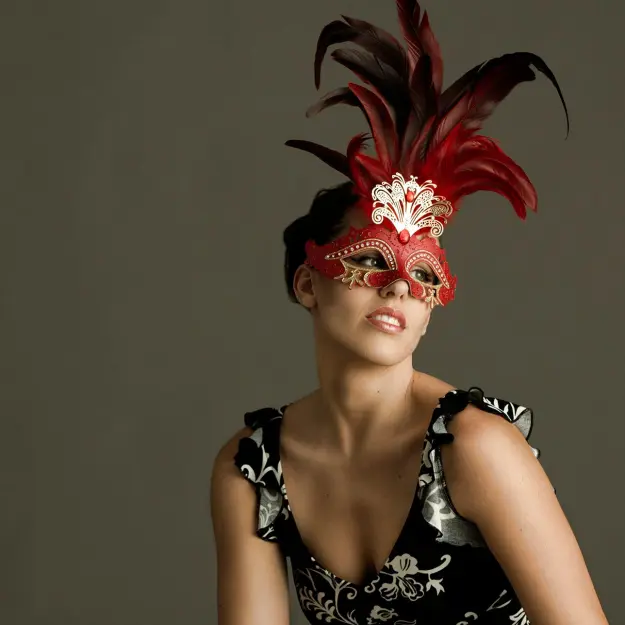
One of the biggest surprises of this production has been how many different roles I’ve found myself taking on.
I’m involved as an actor and producer, but I’ve also been working on set design and stepping into SFX makeup to help create the practical horror effects we need on set.
Not because I originally planned to do all of those things, but because they needed to be done. And honestly, that has become one of my favorite parts of creating independently because you learn, experiment, become more resourceful, and you discover skills you never knew you had.
When you’re creating an immersive horror world, every detail matters. The makeup, props, costumes, lighting, textures, and performances all work together to make the audience believe in the world you’ve created.
Sometimes, bringing that world to life means stepping outside your usual job description.
3. Commitment Is the Backbone of Independent Filmmaking
Horror demands commitment. Audiences can tell when a production feels rushed or when something doesn’t quite belong in the world you’re creating. Every prop, costume, makeup effect, performance, and design choice needs to support the story.
That becomes especially important when you’re building a larger world for a television saga. Characters evolve, relationships develop, and the visual language of the production needs to remain consistent.
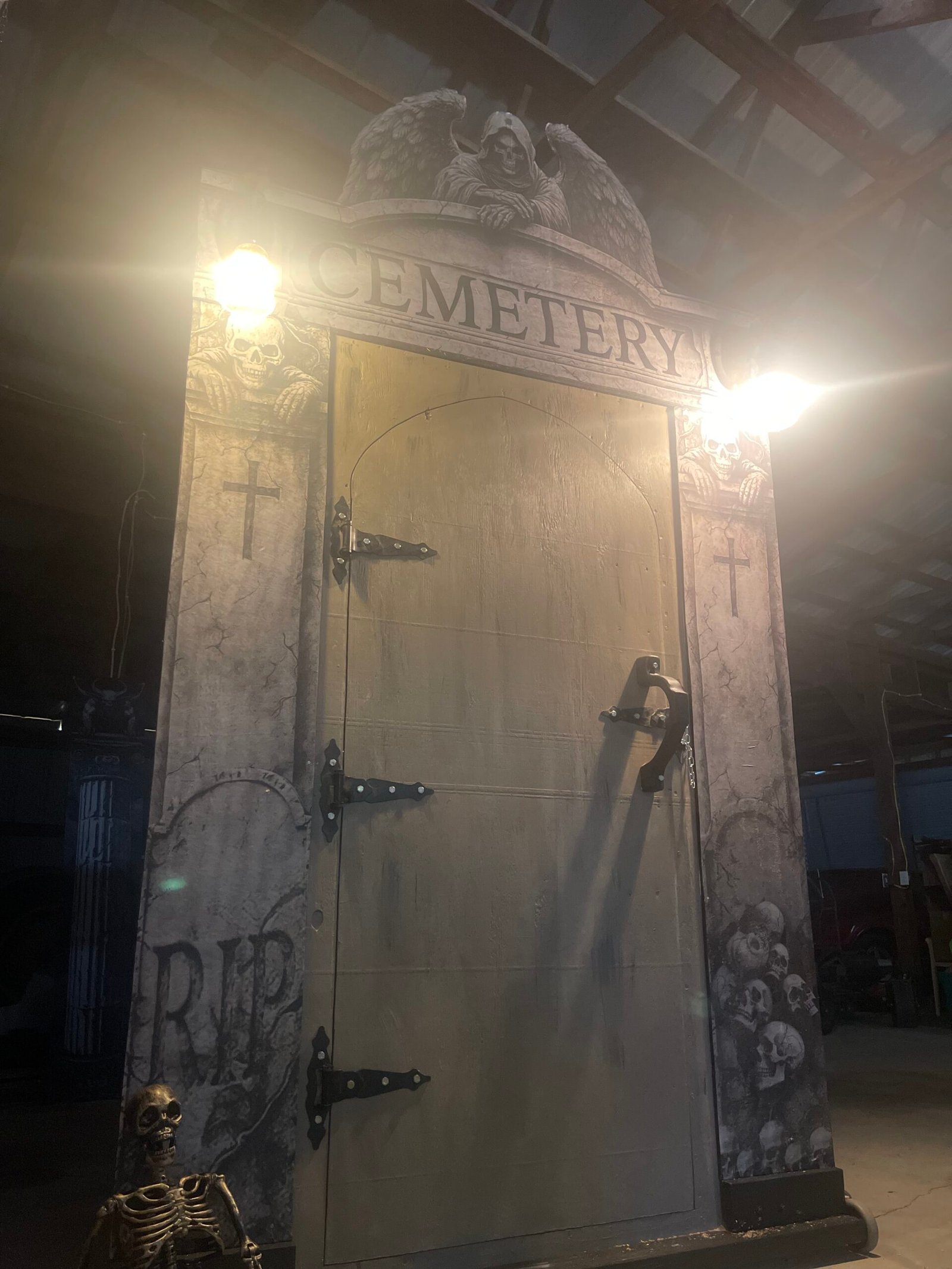
Robert Massetti and I have been hands-on throughout this process, building and refining the project one piece at a time. And my dad, Tom Scott, who has become our unofficial prop master, has been right there with us, building and shaping the physical world of the story for months.
This isn’t a weekend project. It has required long nights, problem-solving, creativity, and an unwavering belief in what we’re building.
That kind of commitment doesn’t always look exciting from the outside, but it’s what gets a project finished.
4. The Right Energy Can Carry a Project Forward
The best creative projects aren’t fueled entirely by fear of failure, but by excitement. That’s been one of the clearest signs to me that we’re heading in the right direction.
Even when challenges have surfaced, the creative energy around this production has continued to grow. The conversations get sharper and the ideas get bigger and more detailed. And when people become genuinely excited about contributing their creativity, that’s when you know you’ve created something people want to be part of.
Independent horror filmmaking can be difficult, but it can also be incredibly rewarding when you surround yourself with people who believe in the vision.
5. Your Vision Needs Someone to Protect It
One of the hardest lessons in creative production is understanding that, when you’re the person driving the project forward, the vision is ultimately your responsibility. That doesn’t mean you do everything yourself. Collaboration is incredibly important.
But you can’t build an entire production around waiting for someone else to solve every problem. If something needs to be learned, learn it. If something needs to be fixed, figure it out. If a plan isn’t working, adjust it. If someone can’t follow through, find another way forward.
That’s especially true in independent productions where there isn’t a giant studio machine behind you. You have to protect the heart of the story while still being flexible enough to adapt.
That’s where resilience comes in.
6. Horror Storytelling Is About More Than Scares
When people hear “horror,” they often think about blood, monsters, jump scares, and things hiding in the darkness. But great horror storytelling is about much more than that. It’s about atmosphere, anticipation, character, and beyond!
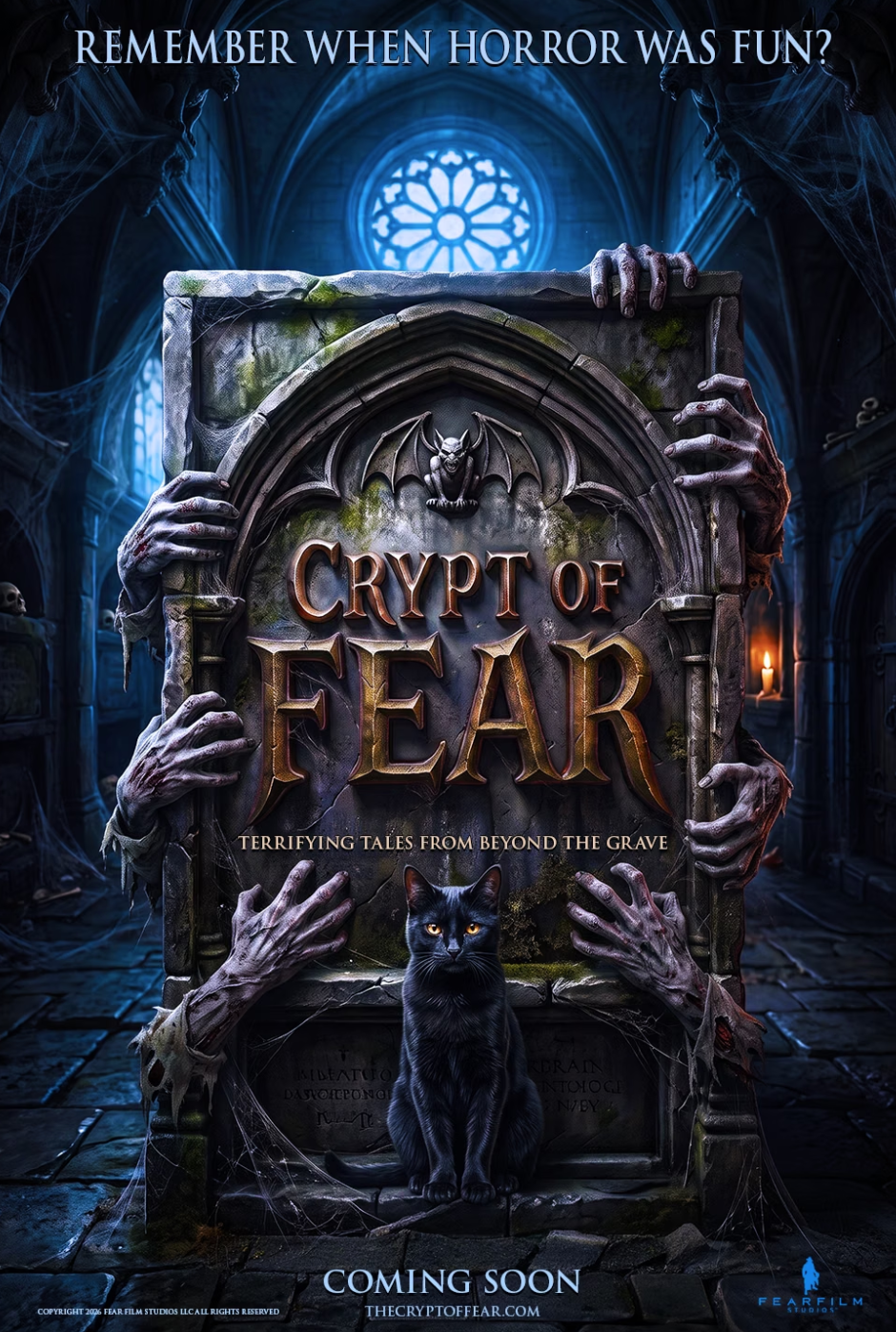
It’s about creating a world that feels believable enough that the audience is willing to step inside it. The Crypt of Fear isn’t simply about creating scary moments. We’re building a world around a mysterious horror host who guides the audience through a space where good and evil exist somewhere between the veil.
Every element supports that experience:
- The set.
- The costumes.
- The makeup.
- The lighting.
- The performances.
- The sound.
- The story.
When those pieces work together, that’s when horror becomes immersive.
7. Independent Horror Projects Require Resilience
Perhaps the biggest lesson of all is that independent horror projects require grit. There isn’t always a safety net. Honestly there never really is…

There isn’t always a massive budget and there isn’t always a huge crew ready to step in when something goes wrong. What you do have is the people who believe in the story and are willing to keep finding solutions.
That doesn’t mean you should ignore your limits or try to do everything alone. It means you can’t let every obstacle convince you that the project isn’t worth finishing.
I’ve learned this lesson across many areas of my creative career. Whether I’m working as an actor, voiceover artist, underwater performer, performance capture actor, photographer, or filmmaker, versatility has repeatedly given me another way to keep creating.
I’ve also written about building multiple streams of creative income and how expanding your skill set can help create a more sustainable creative career.
Sometimes the thing that keeps you moving forward is simply being willing to ask: What else can I do?
Building a World Takes a Team
While responsibility for the vision matters, none of this happens in a vacuum. Creative collaboration is one of the most rewarding parts of filmmaking. Working with people who understand tone, pacing, character, production, and the unique language of horror can elevate an entire project.
That’s why I’m grateful for the people who have contributed their time, creativity, skills, and belief to this production.
For more insight into the creative force behind this project, you can explore FEAR FILM Studios, Robert Massetti’s creative home and production hub. Teamwork really does make the dream work.
What The Crypt of Fear Has Taught Me
This project has reminded me that creative work rarely follows a perfectly straight path. There WILL be setbacks. There will be unexpected responsibilities. There will be moments when you wonder whether you have taken on more than you can handle…
But there will also be those moments when you step back and realize: We’re actually building this thing!
The props are there, the world is taking shape, the characters are becoming real, the story is moving forward, and suddenly, all those late nights and unexpected challenges become part of the story too. That’s the beauty of independent filmmaking. The journey becomes part of what you’re creating!
Protect the Vision. Keep Creating.
If you’re working on your own creative project right now, here’s what I hope you remember:
- Expect challenges.
- Be willing to learn new skills.
- Surround yourself with people who believe in the work.
- Stay flexible when plans change.
- Protect the heart of your story.
- Don’t be afraid to wear more than one creative hat.
- Keep going when the path gets difficult.

Because sometimes the difference between a project that stays an idea and a project that actually gets made is simply the willingness to keep showing up.
And this one? This one is getting finished. The Crypt of Fear is coming! And I can’t wait to bring this world to life.
If you’d like to explore more of my creative work, you can visit my acting portfolio, explore my performance capture work, or learn more about the many creative projects I’m involved in.
Keep creating. Keep adapting. Keep protecting the vision. And whatever you do… Don’t let a hiccup become the end of the story!