
If you’ve ever wondered about the difference between medical voiceover vs. general voiceover, the answer goes beyond simply choosing a voice that sounds professional.
Medical voiceover requires careful attention to terminology, pronunciation, pacing, accuracy, and audience. General voiceover can cover everything from commercials and corporate videos to animation and brand storytelling, with the delivery changing depending on the project.
Both require strong voice acting and communication skills. But medical voiceover vs. general voiceover comes with some important differences, especially when the information being communicated is technical, scientific, or health-related.
So, what actually sets them apart?

What Is General Voiceover?
General voiceover covers a huge range of projects and industries.
It can include:
- Commercials and advertising
- Corporate videos
- eLearning
- Explainer videos
- Brand storytelling
- Audiobooks
- Animation and character work
- Video games
- Social media and digital content
The delivery depends heavily on the project. A commercial might need energy and personality. A corporate video might need confidence and warmth. An audiobook may require a more intimate, immersive performance.
With general voiceover, the goal is often to connect with an audience through tone, personality, emotion, timing, and storytelling. Medical voiceover still requires those skills, but there is another layer of responsibility.
What Is Medical Voiceover?
Medical voiceover is voiceover created specifically for healthcare, pharmaceutical, medical, scientific, or clinical content.
Medical narration can be used for:
- Patient education videos
- Healthcare explainers
- Medical eLearning
- Clinical training
- Pharmaceutical content
- Medical device demonstrations
- Healthcare onboarding and training
- Compliance and instructional materials
- Scientific presentations
- Internal healthcare communications
Some medical voiceover projects are written for professionals who already understand the terminology. Others are created for patients or the general public.
A patient education video shouldn’t sound like a medical textbook being read aloud. A clinical training module may require more precision and authority.
The voice needs to meet the audience where they are.

Medical Voiceover vs. General Voiceover: What Are the Biggest Differences?
1. Accuracy Matters
Medical scripts can contain anatomical terms, pharmaceutical names, procedures, abbreviations, scientific terminology, and language that isn’t part of everyday conversation.
A narrator shouldn’t simply look at an unfamiliar word and take a guess.
Professional medical voice actors prepare for these terms before recording, verify pronunciations when necessary, and follow client-provided pronunciation guides or reference recordings. That preparation helps avoid mistakes and unnecessary pickups later.
When comparing medical voiceover vs. general voiceover, this is one of the biggest distinctions: accuracy is part of the performance.
2. The Delivery Has to Serve the Information
A great voiceover performance isn’t always the biggest or most expressive one. For medical voiceover, the voice needs to support understanding.
That can mean:
- A measured pace
- Clean articulation
- Natural phrasing
- Appropriate emphasis
- Consistent tone
- Enough space for the listener to process complex information
The goal isn’t to make medical content sound dramatic, but to make it easy to follow without making it feel robotic or disconnected.
That’s an important part of understanding medical voiceover vs. general voiceover. The performance should enhance the information rather than compete with it.
3. The Audience Can Change Everything
Who is listening? That’s one of the first questions a voice actor should consider.
A patient education video may need a warm, reassuring, approachable delivery. A pharmaceutical training module may call for something more precise and authoritative. And a healthcare eLearning course may need an engaging instructional tone that keeps learners focused through a large amount of information.
The same medical voice actor may need to make all three feel completely different while maintaining accuracy and consistency.
4. Medical Terminology Requires Preparation
One of the less visible parts of medical voiceover happens before the microphone is turned on.
A professional narrator may review the script for:
- Unfamiliar medical terms
- Drug names
- Anatomical terminology
- Acronyms and abbreviations
- Procedures
- Brand names
- Technical language
- Client-specific pronunciation preferences
When researching unfamiliar medical terminology, reputable medical resources can be helpful. The National Library of Medicine’s Medical Subject Headings (MeSH) provides a standardized vocabulary for biomedical and health-related information.
If something isn’t clear, it’s better to ask before recording than to confidently deliver the wrong pronunciation. That small step can save everyone time during production.
5. Consistency Is Important
Medical content is often longer than a typical commercial. A healthcare training course, eLearning module, or educational series may require hours of narration across multiple sessions.
That means the narrator needs to maintain consistency in:
- Tone
- Pacing
- Pronunciation
- Energy
- Character of the voice
- Delivery style
The listener shouldn’t feel like they’re hearing a completely different narrator halfway through a course.

Does a Medical Voice Actor Need to Be a Doctor?
No. A professional voice actor does not need to be a physician or medical professional to narrate medical content.
What matters is understanding the responsibilities of the role. A voice actor’s job is to communicate the approved script accurately and effectively, not to provide medical advice or interpret the information themselves.
That means preparation is important because when a term, pronunciation, abbreviation, or client direction is unclear, the right move is to ask for clarification or verify it using an appropriate source rather than guessing.
When Do You Need a Medical Voiceover Specialist?
Not every health-related project requires highly specialized medical narration. For example, a wellness brand’s lifestyle video or a simple health-focused commercial may be well suited to a general voice actor with the right tone and experience.
A specialized medical voiceover becomes particularly valuable when your project includes:
- Complex medical terminology
- Pharmaceutical content
- Clinical training
- Medical eLearning
- Medical device information
- Patient education
- Scientific or technical material
- Healthcare compliance or instructional content
- Long-form medical narration
For pharmaceutical projects, reliable drug information and labeling are especially important. The FDA provides resources for information on approved drugs.
If you’re deciding between medical voiceover vs. general voiceover for your project, consider how technical the material is, who your audience is, and how much preparation the script requires.
Medical Voiceover Should Still Sound Human
This is one of the biggest misconceptions about medical narration. Professional and accurate doesn’t have to mean cold.
Healthcare information is ultimately being communicated to people. Sometimes those people are doctors, nurses, researchers, or other professionals. Other times they’re patients trying to understand something important about their own health.
The best medical voiceover respects the information while remembering there’s a human being on the other side of the speaker.
That might mean a calm, grounded delivery, warmth, or confidence without sounding overly authoritative.
And sometimes it simply means sounding like a real person who understands what they’re saying. That’s where the difference between medical voiceover vs. general voiceover becomes more nuanced. Medical narration still needs personality and connection. It just has to serve the information first.
How Do You Choose the Right Medical Voice Actor?
When you’re casting a medical voice actor, consider more than whether you like the person’s voice.
Ask:
- Does their delivery fit your audience?
- Are they comfortable with technical terminology?
- Do they understand the importance of pronunciation and preparation?
- Can they maintain consistency throughout longer projects?
- Does their studio produce professional-quality audio?
- Can they take direction and communicate well with your production team?
- Can they deliver the tone your project actually needs?
A great medical voiceover should make your content easier to understand, not call attention to the person reading it.
Why I Love Medical Voiceover
Medical and healthcare narration is one of the areas of voiceover I particularly enjoy because it combines two things I care about: communication and connection.
I love taking information that may feel complicated on the page and helping it sound approachable, natural, and easy to follow.
My approach is grounded, conversational, and clear, with careful attention to terminology, pacing, tone, and the audience you’re trying to reach.
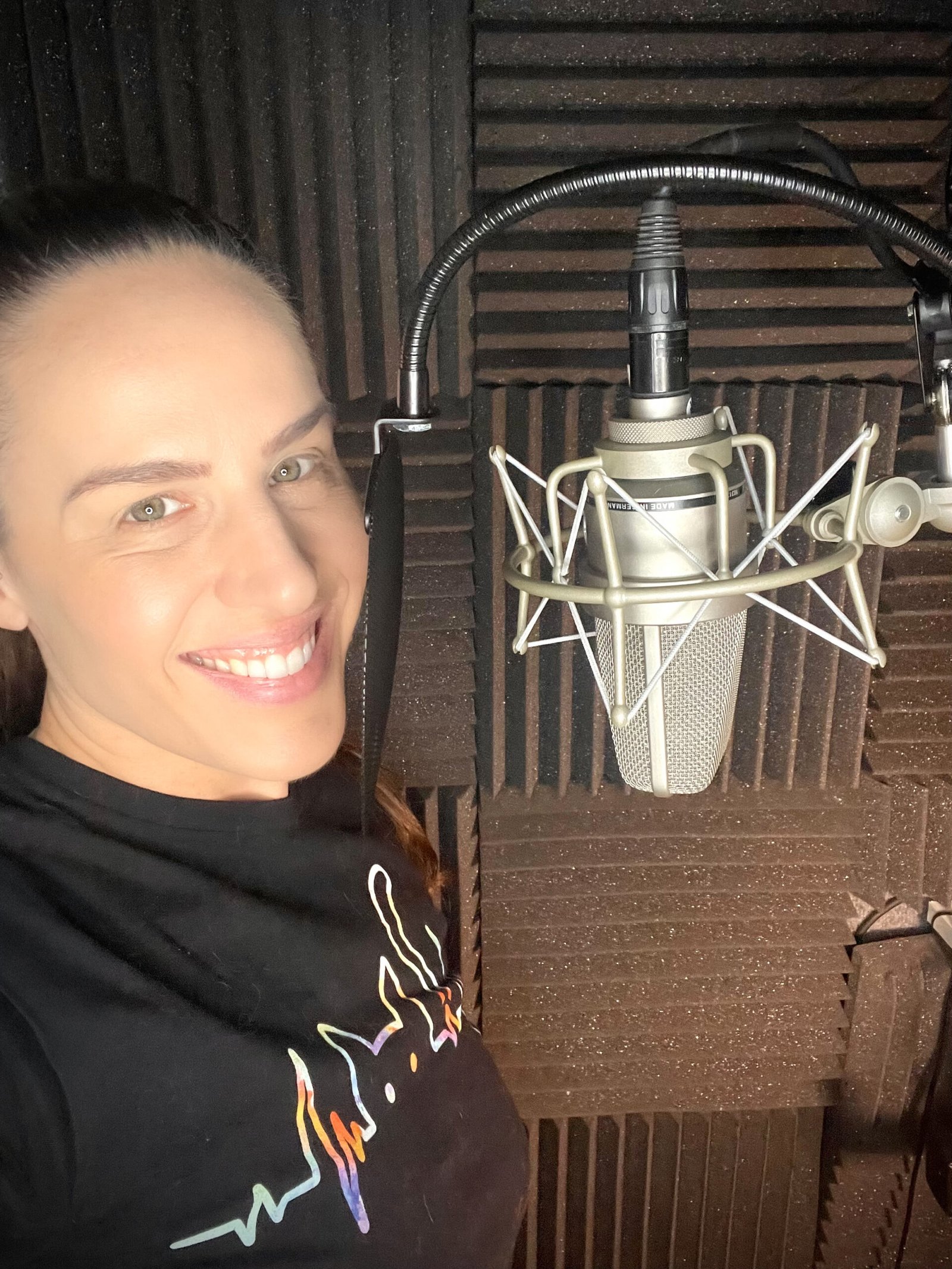
I record medical and healthcare voiceover from my professional home studio and work with clients remotely for directed sessions and professional voiceover projects.
Medical Voiceover vs. General Voiceover: Which Do You Need?
The answer depends on your project. If you’re creating a commercial, brand video, general corporate narration, or another project where storytelling and personality are the primary focus, a general voice actor may be exactly what you need.
If your script involves complex healthcare information, specialized terminology, medical training, pharmaceutical content, or patient education, choosing a voice actor who understands the demands of medical narration can make a real difference.
Ultimately, medical voiceover vs. general voiceover isn’t about which one is better. It’s about choosing the right voice and approach for the message you’re trying to communicate.
The goal is always the same: Help your audience understand your message and connect with what you’re saying.
And when the subject matter is important, the voice delivering it matters, too.
Looking for a Medical Voice Actor?
If you’re producing medical, healthcare, pharmaceutical, or eLearning content and need a voice that is clear, grounded, natural, and professional, I’d love to hear about your project.
Explore my medical voiceover services or listen to my voiceover demos to hear how I approach narration.
Have a script ready? Request a custom audition and hear your own words in my voice before making a decision.