
Underwater Photoshoot Safety is critical when planning and working with underwater talent. Creating stunning underwater imagery can feel exciting and down-right magical, but you don’t want to jeopardize anyone’s safety for a cool shot.
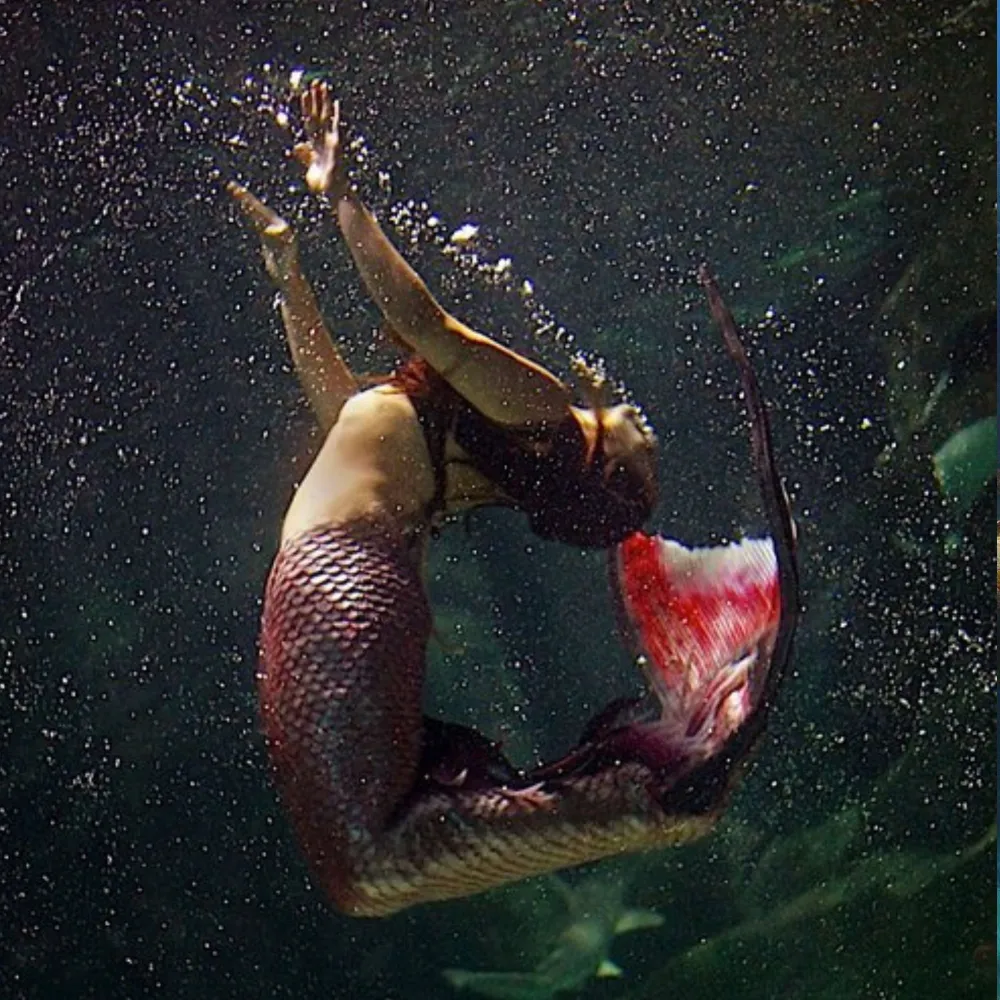
Whether you’re capturing a mermaid gliding through crystal-clear water, producing an underwater commercial campaign, filming a movie scene, or creating fine art photography, the final images often look effortless.
What most people don’t see however, is the preparation that happens before anyone ever enters the water.
As an underwater model, actress, and mermaid performer, I’ve learned that the most successful underwater productions are built on one important foundation: safety.
Beautiful photos are important, but no image is worth risking the well-being of your talent, crew, or production team.
If you’re planning an underwater photoshoot, here are some of the most important safety considerations to help create a smooth, successful, and enjoyable experience for everyone involved.
1. Choose the Right Location
The location you select can have a major impact on both safety and production quality. Before scheduling your shoot, consider:
- Water depth
- Current strength
- Visibility
- Water temperature
- Entry and exit points
- Boat traffic
- Wildlife
- Weather conditions
A beautiful location may not always be the safest option. Whenever possible, scout the location ahead of time and identify potential hazards before the day of the shoot.
Whether you’re shooting in a pool, spring, lake, ocean, or quarry, understanding the environment is one of the most important steps in underwater shoot preparation.
NOTE: If shooting in a pool, make sure the chemicals are properly balanced as well. If the levels are off, it can cause a lot of discomfort to your model, and can also potentially harm their eyes in the process.
2. Work with Experienced Talent

Not every model feels comfortable beneath the surface, and not every strong swimmer can create natural-looking underwater imagery.
Experienced underwater models understand:
- Breath control
- Body positioning
- Movement underwater
- Safety signals
- Working through multiple takes
- Remaining calm under pressure
Choosing talent with underwater experience can help improve both safety and production efficiency.
If you’re looking for experienced talent for your next aquatic project, learn more about my work as a professional underwater model.
3. Prioritize Communication
One of the biggest challenges during an underwater photoshoot is communication. Once everyone is underwater, verbal direction becomes difficult or impossible. So before entering the water (in any depth), discuss:
- Hand signals
- Safety signals
- Emergency procedures
- Shot expectations
- Timing
- Surface check-ins
Making sure everyone understands the plan before the shoot begins can reduce confusion and improve safety throughout the day.
4. Have a Dedicated Safety Plan
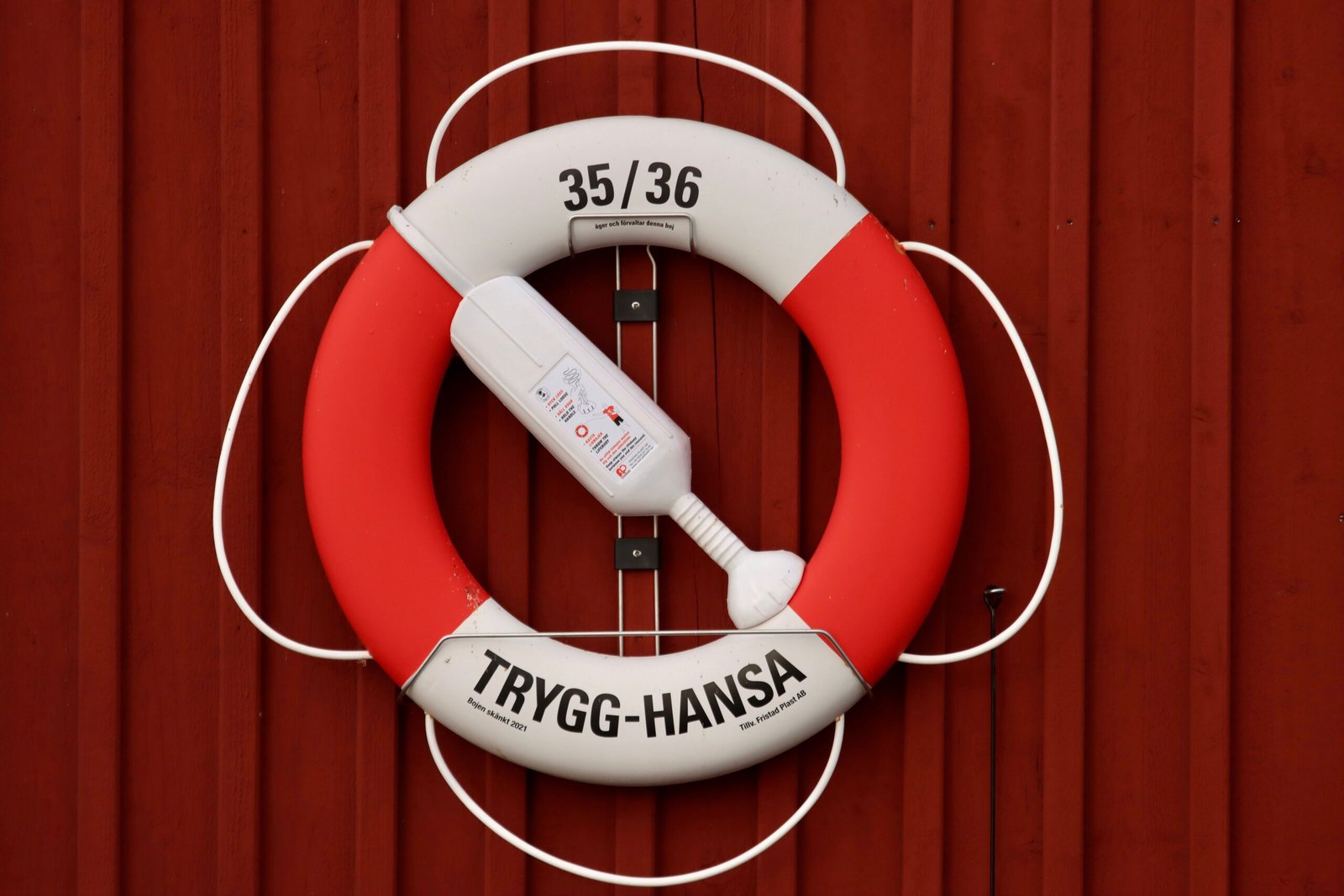
Every underwater production should have a safety plan.
Ask yourself:
How will fatigue be monitored?
Who is monitoring talent?
Who is responsible for emergency response?
Where is the nearest medical facility?
What happens if conditions change?
Even small productions benefit from discussing safety procedures in advance, and having a plan helps everyone feel more confident and prepared.
5. Understand Breath-Hold Limitations
One of the most common misconceptions about underwater modeling is that talent can stay underwater indefinitely. The reality is that every performer has different breath-hold abilities, comfort levels, and physical limitations.
A successful underwater shoot should include:
- Frequent breaks
- Hydration
- Surface recovery time / body temperature regulation
- Respect for personal limits
The goal is never to push someone beyond their comfort level. The best underwater productions are built on patience and collaboration.
6. Be Mindful of Wardrobe and Props
Costumes can dramatically affect movement and safety. Before the shoot, test how each item will perform underwater. These are some items you should always test beforehand: Mermaid tails, Dresses, Fabrics, Accessories, Jewelry, Props.
Although an experienced underwater performer can manage difficult items, it is important to pick the right item for each environment, and know how you will approach safety when shooting with each piece of clothing or prop.
Heavy fabrics may become difficult to manage underwater, while certain accessories can create entanglement risks.
Testing wardrobe in water before relying on it during production can be a smart move for the entire team.
7. Monitor Environmental Conditions
Conditions can change quickly, especially in the ocean.
Pay close attention to: the wind, water clarity, temperature, storm activity, and visibility.
If conditions become unsafe, don’t be afraid to pause or reschedule the shoot. No photograph is worth compromising safety.
8. Build Extra Time into Your Schedule
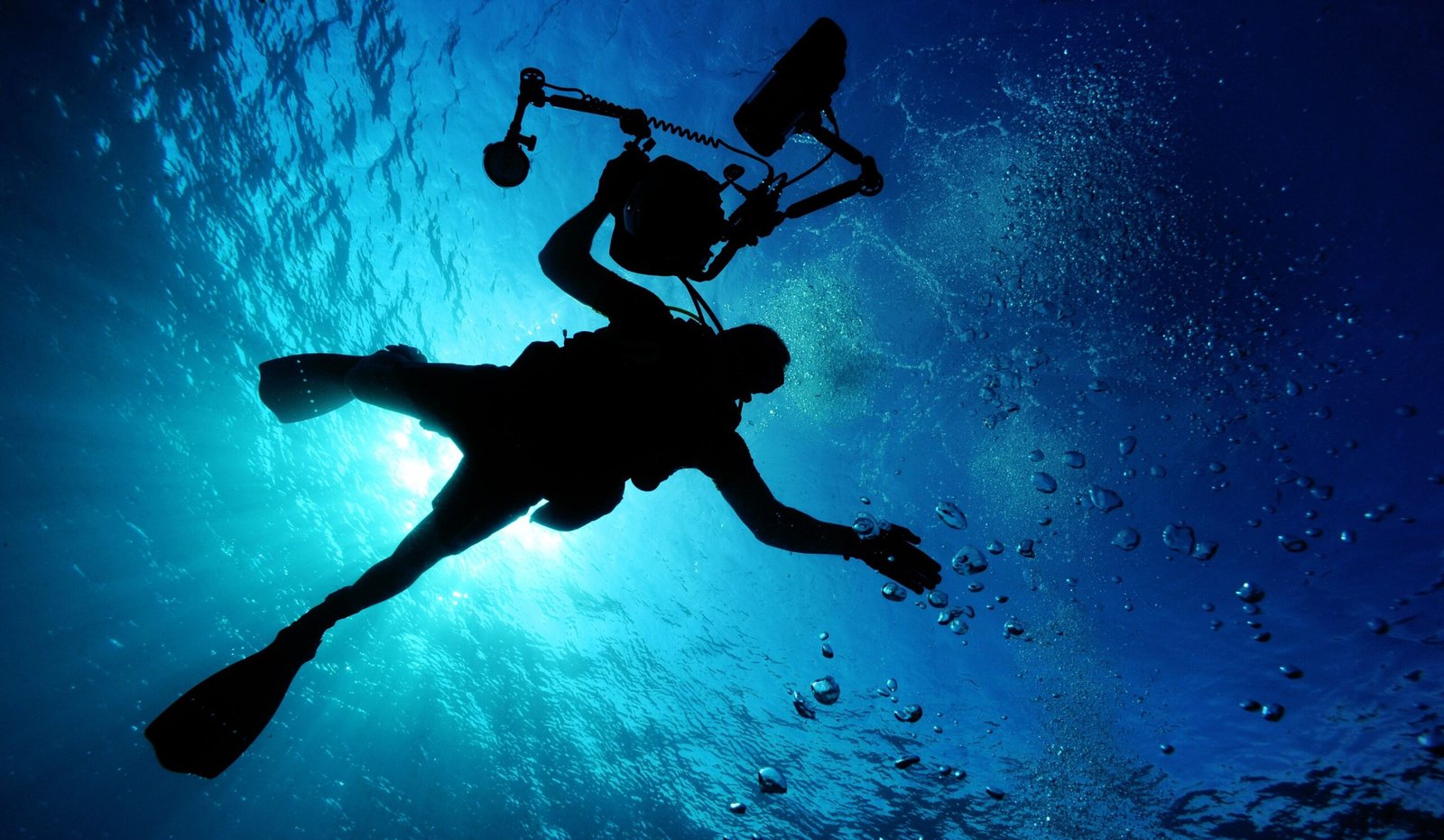
Underwater photography takes longer than many people expect. Not necessarily the overall shooting time, but equipment adjustments, wardrobe changes, recovery periods, and environmental factors can all slow down production.
All of these add into the production day, so adding extra time into the schedule reduces stress and allows everyone to work more safely and creatively.
Rushing underwater shoots often leads to mistakes. Be patient and take your time. It will usually always produce better results.
9. Respect the Water
This may be the most important lesson of all.
No matter how experienced you are, water deserves respect. One of the most important lessons I’ve learned is that safety begins with personal responsibility.
Whether you’re a model, photographer, diver, or production team member, every person plays a role in creating a safe environment. The team at Divers Alert Network (DAN) shares valuable insights about personal accountability and water safety in their article on taking personal responsibility while diving.
I’ve worked in pools, springs, and open-water environments, and every location presents unique challenges. The most successful underwater productions happen when everyone approaches the water with preparation, awareness, and a commitment to safety.
Underwater Photoshoot Safety Starts Before You Enter the Water

Some of the most breathtaking images I’ve ever created have happened underwater.
The movement, light, and sense of wonder found beneath the surface can create truly unforgettable photographs and performances. But great underwater imagery doesn’t happen by accident.
It happens when photographers, models, production teams, and safety personnel work together to create an environment where creativity and safety can coexist.
With proper planning, communication, and preparation, your underwater photoshoot can be both safe and spectacular.
Because at the end of the day, the best underwater productions aren’t just measured by the images you create. They’re measured by the experience everyone has while creating them.
Team-work makes the dream work, especially underwater.