
Creating compelling underwater scenes can transform an ordinary production into something unforgettable. It adds something unique that people will be immediately drawn to.
Whether you’re producing a feature film, commercial, television project, tourism campaign, music video, or branded content, water has a unique ability to evoke emotion, wonder, mystery, and beauty. It can instantly elevate a story and create visuals that audiences remember long after the credits roll.
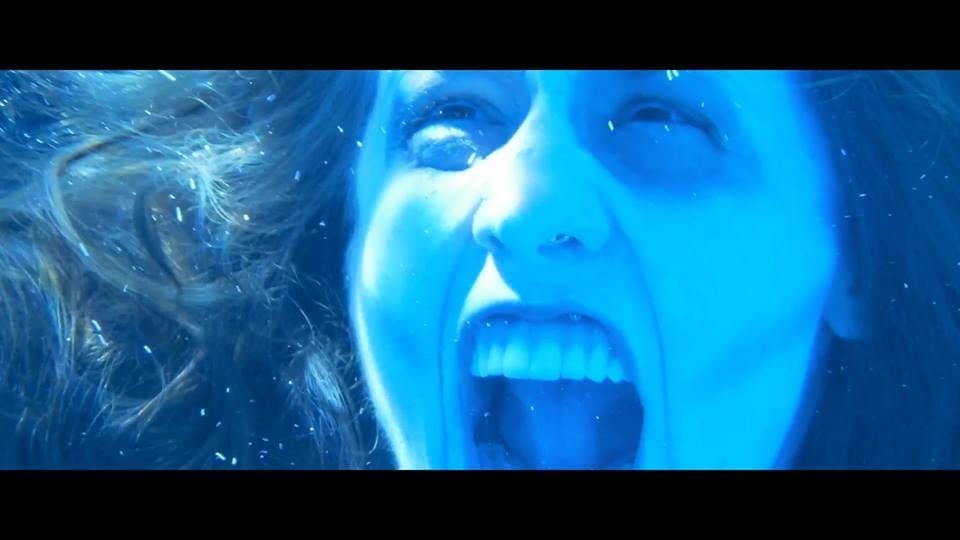
But as breathtaking as underwater scenes can be, they also come with unique challenges that many producers underestimate. Successful underwater film production requires more than a great camera and a beautiful location. It requires planning, communication, specialized talent, and a commitment to safety from everyone involved.
Over the years, I’ve had the opportunity to work in springs, pools, aquariums, and open-water environments as an underwater model, actress, mermaid performer, and aquatic entertainer. One thing I’ve learned is that the most successful productions are rarely the ones with the biggest budgets. They’re the ones that take the time to prepare.
If you’re planning an underwater film production, here are some of the most important factors to consider before your team ever enters the water.
Choosing experienced talent can save valuable production time while helping create more believable and visually compelling performances. If you’re looking for an experienced underwater model and underwater actress, learn more about the aquatic performance services I offer.
1. Talent Selection Matters More Than You Think
One of the most common misconceptions in underwater filming is that anybody who can swim can perform underwater.
The truth is that swimming and performing underwater are two very different skills.
An actor may be incredibly talented on land but struggle once submerged. Likewise, a competitive swimmer may feel comfortable underwater but may not be able to deliver the emotion, body language, and storytelling required for the camera. Models and dancers might perform well underwater and move fluently, but they might battle with body temperature and not last long in the water.

When casting for an underwater production, producers should look for talent with specific underwater experience whenever possible.
An experienced underwater actress or underwater model understands:
- Breath control
- Underwater movement
- Safety communication
- Remaining calm during multiple takes
- Working with costumes underwater
- Maintaining character while submerged
Choosing experienced talent can save valuable production time while helping create more believable and visually compelling performances.
2. Safety Should Never Be an Afterthought
No matter how experienced the talent or team may be, every underwater production should begin with a conversation about safety.
In many ways, underwater safety is the foundation upon which every successful underwater scene is built. So before production begins, ask important questions such as:
- Who is responsible for monitoring talent?
- What are the emergency procedures?
- How will communication happen underwater?
- Where is the nearest medical facility?
- What environmental hazards exist at the location?
Organizations such as the Divers Alert Network (DAN) provide valuable safety resources for professionals working in aquatic environments.
Remember: a safe set allows performers to relax, trust the process, and focus on delivering their best work!
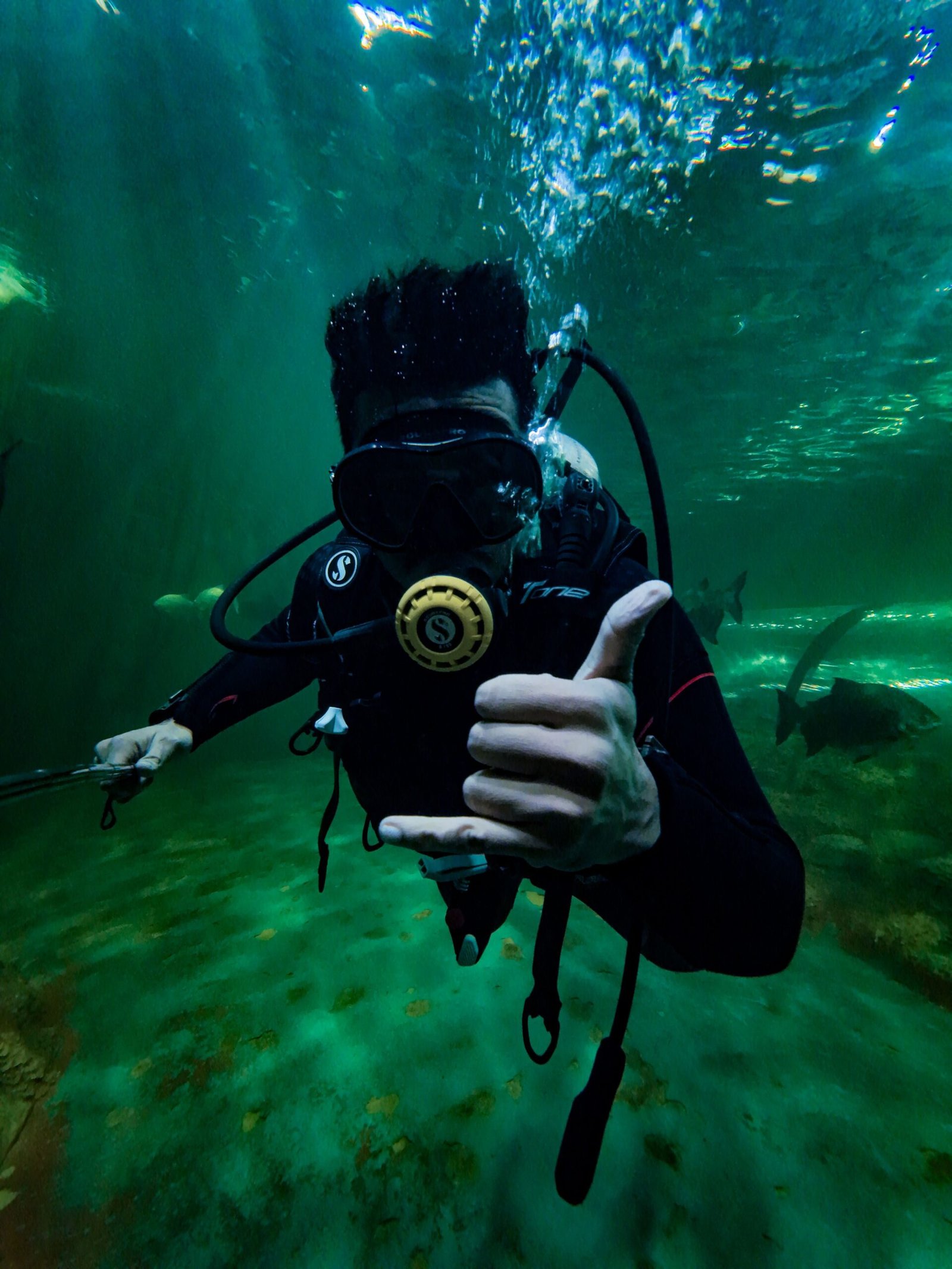
In fact, I remember working on a project in the Florida springs with another beautiful model. From the moment we arrived on set, I felt a strong instinct to keep an eye on her throughout the day.
Like many performers, she wanted to do a great job. She didn’t want to be the person slowing down production or appear incapable of doing the work she had been hired to do. So she kept pushing through, even as the conditions for her became more difficult.
The water was cold, and after spending time in it, I could tell her body was beginning to struggle. She was shaking uncontrollably, her lips were turning blue, and it was becoming clear that her body temperature was dropping. Despite all of that, she was determined to continue and that’s when I decided to step in because I knew she was heading into dangerous territory.
I told her she needed to get out of the water, and I spoke with the production team to explain what was happening. At that point, the priority was no longer the shot. It was her safety. Thankfully, she listened and was able to warm up before the situation became more serious.
That experience reinforced something I believe every producer, crew member, and performer should remember: no photograph, scene, or production schedule is more important than a person’s well-being.
Many performers are conditioned to push through discomfort because we want to be seen as professional, dependable, and easy to work with. In fact, as I am writing this, the famous saying “the show must go on,” rings loud in my brain.
But true professionalism isn’t ignoring safety concerns. It’s recognizing them and speaking up when something isn’t right.
The best productions create an environment where performers feel safe enough to communicate their limits and where the entire team understands that safety always comes first.
3. Communication Becomes More Important Underwater
One of the biggest differences between traditional filmmaking and underwater production is communication. Once talent enters the water, verbal direction becomes limited or impossible.
This means producers and directors should establish clear expectations before filming begins. So it’s important to discuss the:
- Scene objectives
- Performance goals
- Safety signals
- Timing expectations
- Surface recovery procedures
The more everyone understands before entering the water, the smoother the production will run. Many delays during underwater filming can be avoided through simple pre-production conversations.
Of course, not everything can be planned for… because as the saying goes “what can go wrong, will go wrong” in any production. However, we can prepare for the best outcome, and that starts with good communication.
4. Understand the Physical Demands on Talent
Underwater work can be surprisingly exhausting. Even experienced performers may become fatigued after repeated dives, long shooting days, cold water exposure, or physically demanding scenes.
Producers should build realistic expectations into their schedules.

Please be sure to allow time for:
- Surface recovery
- Hydration
- Equipment adjustments
- Costume changes
- Warm-up periods
- Rest breaks
When productions rush underwater scenes, performance quality often suffers.
Giving talent adequate recovery time not only improves safety but also leads to stronger performances and better footage.
5. Wardrobe and Props Require Additional Planning
What looks beautiful above the surface may behave very differently underwater. Flowing dresses, fantasy costumes, jewelry, wigs, capes, and props all interact with water in unexpected ways.
Before production day, test wardrobe whenever possible. Consider things such as:
- Weight
- Buoyancy
- Visibility
- Movement restrictions
- Entanglement risks
Some of the most stunning underwater visuals come from carefully planned wardrobe choices that were specifically designed for aquatic environments. This is why preparation, along with a strong underwater performer makes all the difference.
6. Location Selection Can Make or Break a Production
Location scouting becomes even more important when filming underwater. Producers should evaluate the water clarity, temperature, current strength, entry and exit points, accessibility, lighting conditions, and environmental hazards.
A location may look incredible in photographs but present challenges once a production team arrives. So whenever possible, conduct site visits before filming. This allows crews to identify potential issues and create solutions before production day.
7. Specialized Talent Creates Better Results
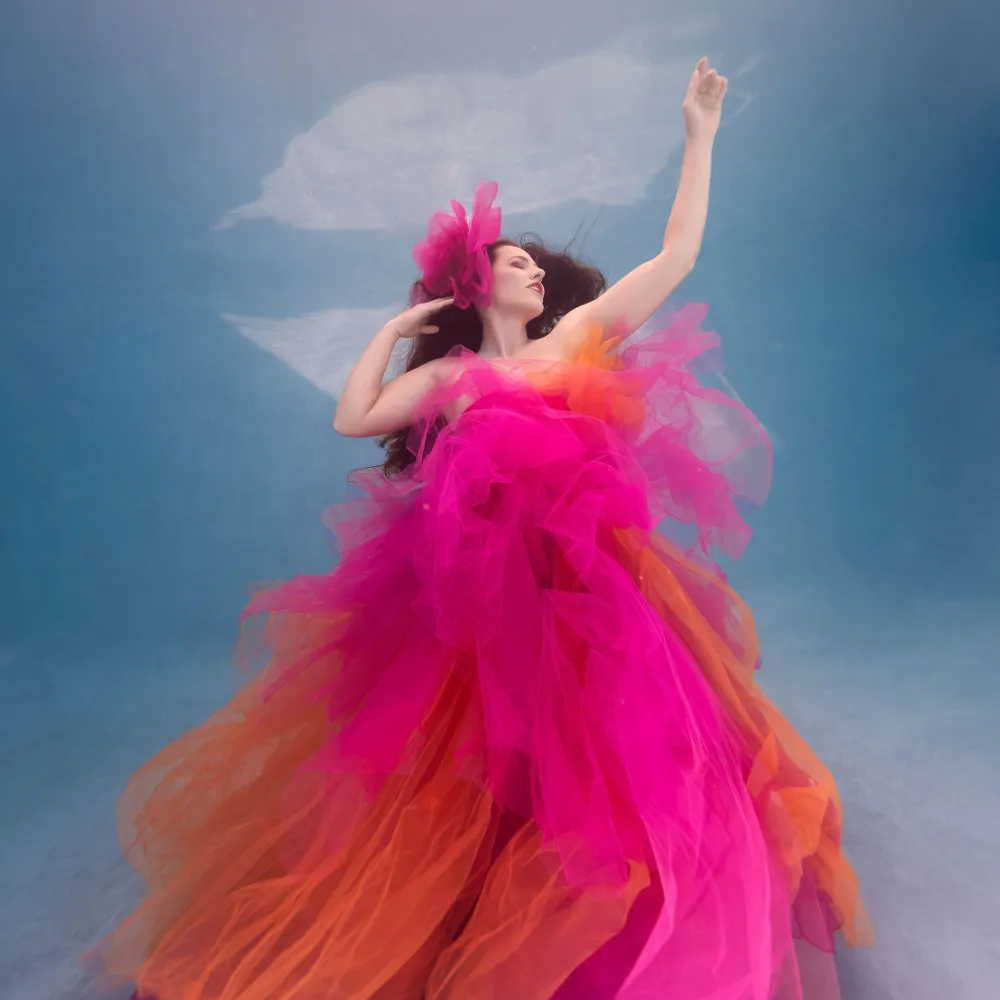
There is a reason underwater productions often hire performers with aquatic experience.
Working underwater requires a unique combination of skills that most performers never develop during traditional training.
An experienced underwater model or underwater actress understands how movement translates through water, how to create elegant body lines, and how to communicate emotion when dialogue isn’t possible.
These specialized skills help producers capture footage more efficiently and often reduce the number of takes needed to achieve the desired result.
When selecting talent, experience in aquatic environments should be viewed as an investment rather than an expense
8. Build Flexibility Into Your Schedule
Even the best-planned underwater production will encounter surprises. The water conditions may change, visibility may fluctuate, equipment may require adjustments, and talent may need additional recovery time.
Successful producers understand that flexibility is part of the process. So rather than fighting the environment, the best productions learn how to work with it.
Building extra time into your schedule can reduce stress and create a more positive experience for everyone involved.
9. Trust and Collaboration Are Essential
The most memorable underwater productions I’ve worked on all shared one thing in common: trust. The talent trusted the crew and the crew trusted the safety team. Everyone understood their role and worked together toward a common goal.
Underwater environments naturally create vulnerability. Performers rely heavily on the people around them for safety, communication, and support.
When producers foster a collaborative atmosphere, talent feels empowered to take creative risks and fully commit to the story being told. All of those moments combined can lead to the most breathtaking and powerful footage.
10. The Best Productions Focus on People First
It’s easy to become focused on schedules, budgets, and shot lists. Those things matter and they can introduce lot of stress on the entire production team.
But at the end of the day, productions are built by people. The strongest underwater productions recognize that the well-being of the cast and crew directly impacts the quality of the final product.
When people feel safe, respected, prepared, and supported, creativity flourishes. And when creativity flourishes, extraordinary things happen from start to finish!
Successful Underwater Film Production Starts with Preparation
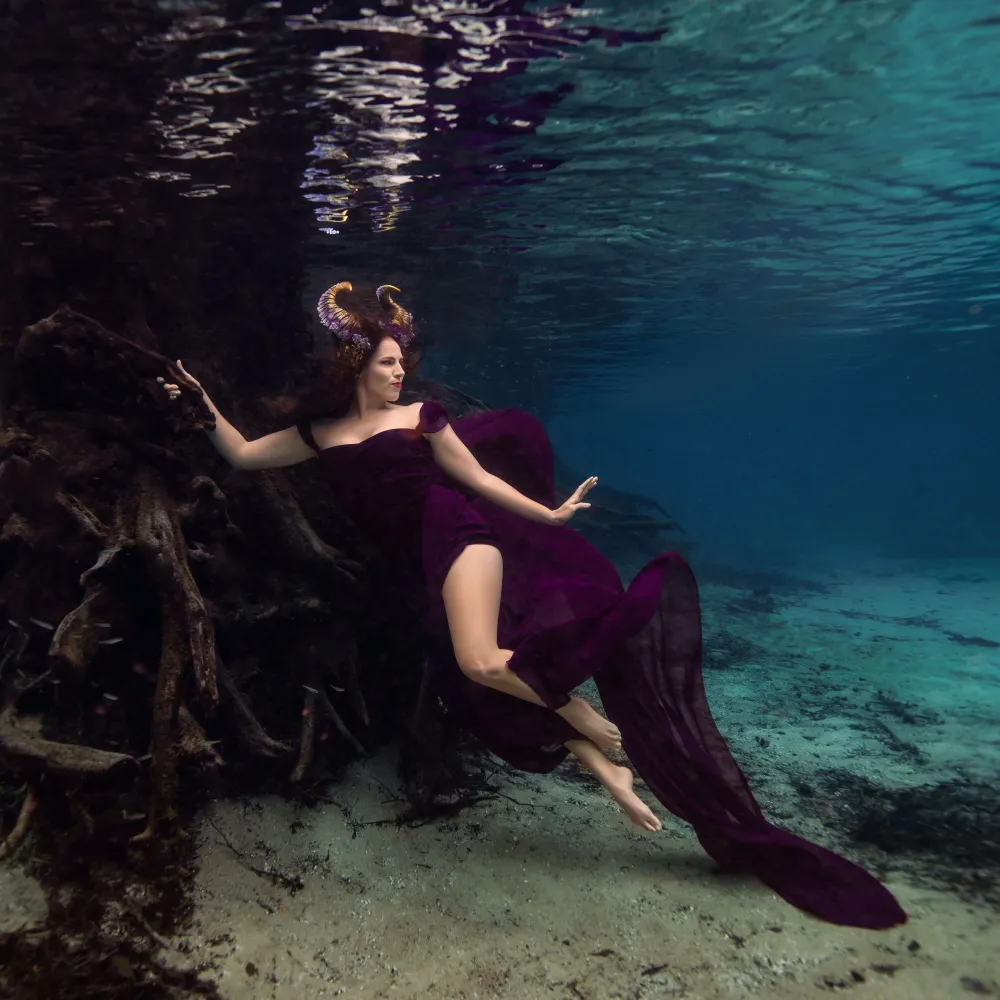
Some of the most beautiful moments ever captured on film have happened beneath the surface.
Yet those moments rarely happen by accident.
Successful underwater film production is the result of thoughtful planning, experienced talent, strong communication, careful location selection, and a genuine commitment to underwater safety.
For producers, the goal isn’t simply to capture beautiful footage. It’s to create an environment where performers and crew members can do their best work while feeling supported every step of the way.
When preparation and creativity come together, underwater productions become more than just visually impressive. They become unforgettable.
If you’re planning an upcoming underwater project and need experienced aquatic talent, you can learn more about my work as an underwater model, actress, and performer.